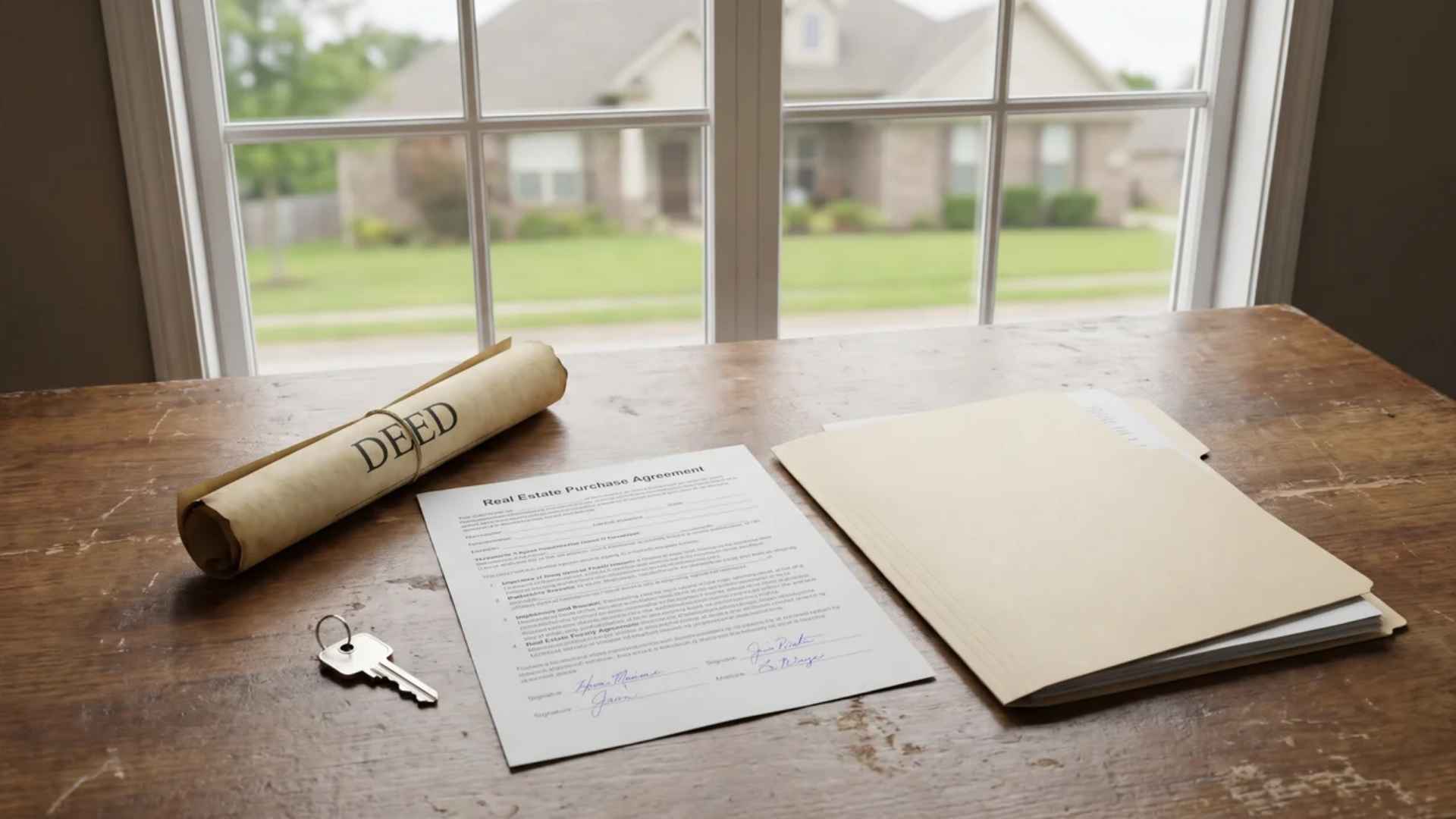


A special warranty deed is a document that moves ownership of a property from one person to another. But it comes with a catch.
The seller, called the grantor, only promises one thing. They promise no title problems started while they owned the place. Anything before that? They're not on the hook for it.
I've reviewed enough of these to know where people get tripped up. They hear "warranty" and assume it covers everything. It doesn't.
You’ll see this deed most in commercial deals and bank sales after a foreclosure. The seller never lived there. They can't vouch for a history they don't know.
What Does a Special Warranty Deed Cover?
The guarantee only covers the time the seller actually owned the property. Nothing before that counts.
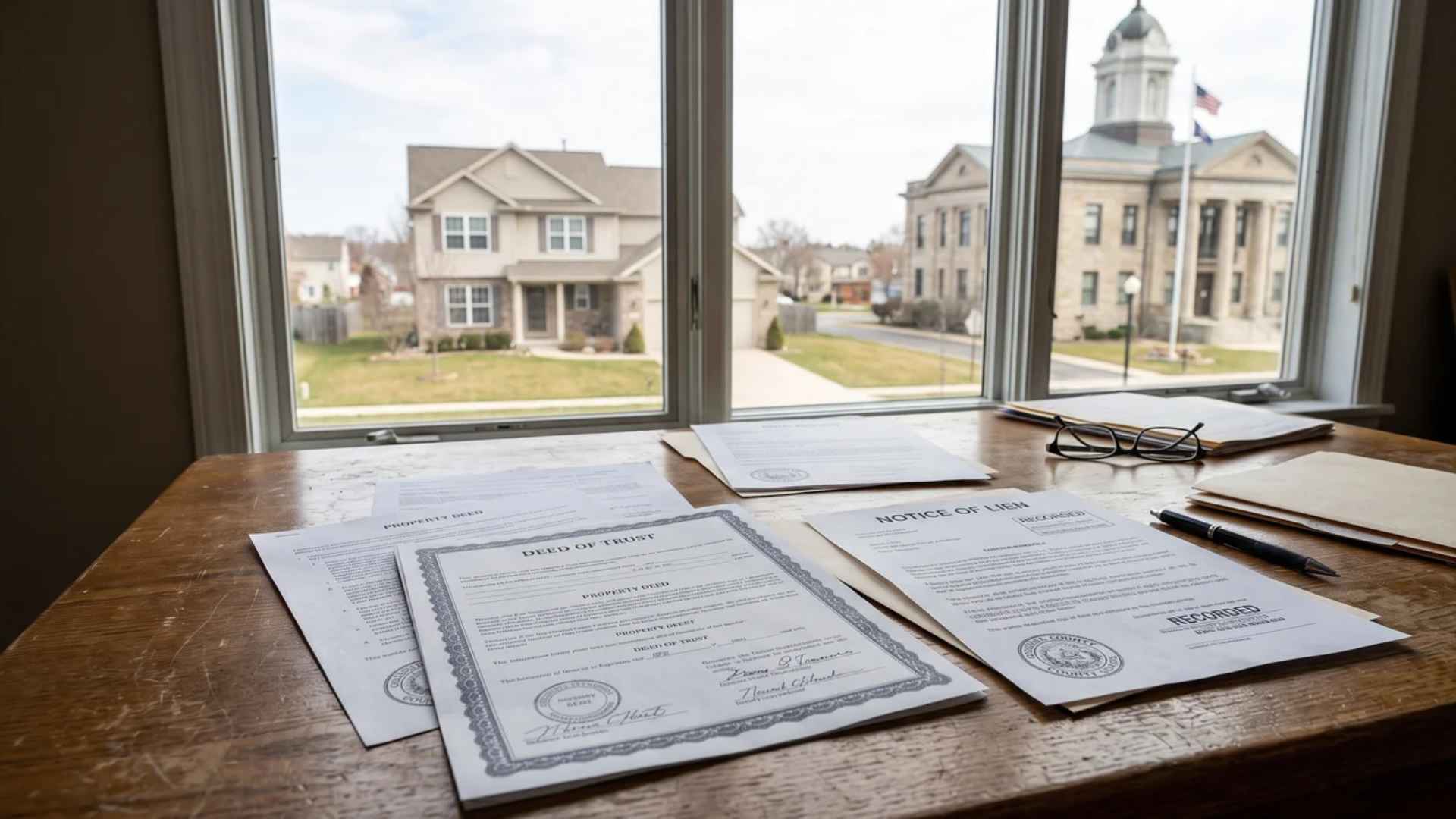
Say the seller let an unpaid contractor's bill turn into a lien and never cleared it. That's on them. The deed protects you there.
But if the problem is older, a boundary fight from two owners back, a lien nobody released, a forged signature in an old transfer, the deed does nothing. The seller is only answering for their own stretch of ownership, not the ones before it.
This is the part that catches people off guard. A limited guarantee isn't the same as no guarantee. It's also nowhere close to full protection.
So what actually covers the older stuff? Title insurance. You buy it separately at closing. It digs into the property's full history and insures you against problems the deed never touches.
Here's my stance on it: if you're relying on the deed alone, you're exposed. It doesn't matter how smooth the closing feels. Any defect from before the current seller's ownership is still your problem unless you have a policy in place.
What a Special Warranty Deed Does Not Guarantee
This deed won’t promise a clean title going all the way back. It only promises for the current seller’s slice of ownership.
Everything before that sits outside the deed’s promise completely:
- Old liens
- Easement disputes
- A fraudulent transfer nobody caught
Think of deed protection as a line. Here’s where each type lands on it:
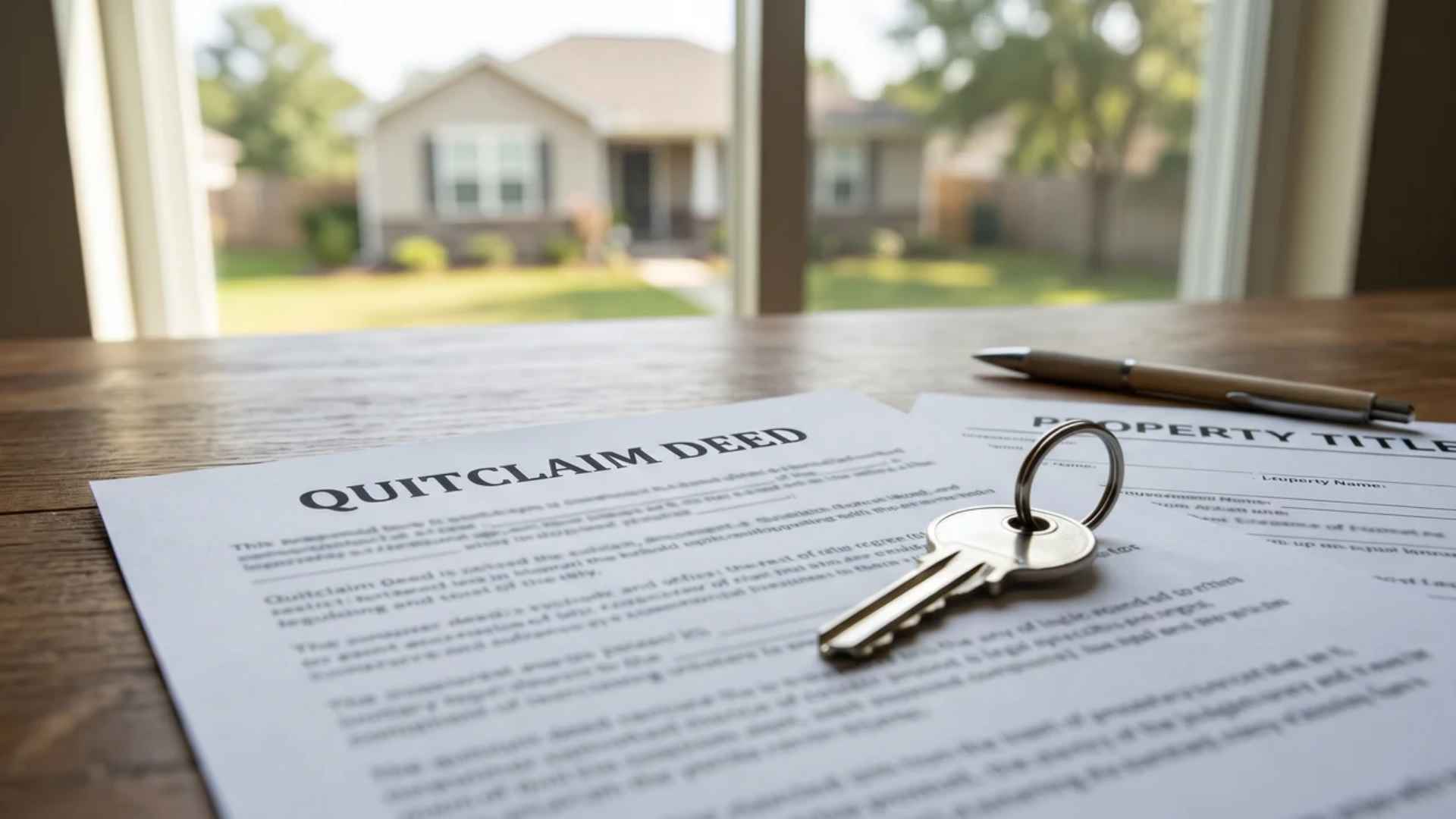
- Quitclaim deed: zero guarantee
- Special warranty deed: covers only the current seller’s ownership period
- General warranty deed: covers the property’s entire history
A special warranty deed lands in the middle. More protection than nothing, less than everything.
Special Warranty Deed vs. General Warranty Deed
A general warranty deed covers the property’s entire past. It doesn’t matter if a problem started 40 years ago, before the current seller was even born. They’re still guaranteeing against it.
A special warranty deed only covers the current seller’s own ownership window.
Here’s why that split exists. Sellers like banks, estates, or companies often can’t verify what happened before they took the property. So they won’t promise something they can’t actually confirm.
My take: don’t assume these two deeds give you the same protection. The coverage window is the entire difference, and it’s not a small one.
Special Warranty Deed vs. Quitclaim Deed
A quitclaim deed makes zero promises. The seller hands over whatever interest they have, with no claim that it’s free of problems at all.
A special warranty deed beats that by a step. It at least guarantees the seller’s own time owning the place was clean.
People lump these two together because both sound “limited.” I wouldn’t. A quitclaim gives you nothing to stand on. A special warranty deed gives you something, even if it’s not everything.
Why Does a Special Warranty Deed Matter?

A special warranty deed isn’t a red flag by itself. It’s just limited. The real risk shows up when buyers don’t plan around that limit.
Since the guarantee stops at the seller’s ownership window, anything before that is fully on you if you skip title insurance. You’re not covered. Nobody’s covered you.
In my experience, title insurance stops being optional the moment a special warranty deed is involved. It’s not a nice-to-have add-on. It’s the thing actually protecting you from the property’s older history.
This is exactly why you’ll see these deeds everywhere in commercial sales, foreclosures, and bank-owned properties. Picture a bank that forecloses on a house it’s never set foot in. It knows the loan went unpaid. It has no idea what happened with that property’s title in 1995. A special warranty deed lets the bank sell without pretending to know something it doesn’t.
Sellers in those spots genuinely don’t know the full history. And buyers in those markets know to get title insurance as a standard step, not an afterthought.
Conclusion
A special warranty deed transfers full ownership. But the seller’s promise only reaches back as far as their own ownership, nothing further.
That gap is exactly why title insurance matters so much here. It covers the history the deed won’t touch, and the deed itself never claimed to.
If you’re buying through a commercial sale, a foreclosure, or a bank-owned deal, treat title insurance as standard, not optional. I wouldn’t close without it in those situations. The deed was never built to cover the whole story. Don’t expect it to.
Frequently Asked Questions
Does a special warranty deed transfer ownership?
Yes. It transfers full ownership from seller to buyer, same as any other deed. The "special" or "limited" part only affects the guarantee, not whether the property actually changes hands.
Is a special warranty deed bad?
Not on its own. It's completely normal in commercial, foreclosure, and bank-owned sales. The risk shows up if you assume it protects you like a general warranty deed and skip title insurance.
What's the difference between a special warranty deed and a quitclaim deed?
A special warranty deed guarantees the seller's own ownership period was clean. A quitclaim deed guarantees nothing at all, the seller just hands over whatever interest they happen to hold.
Why would a seller use a special warranty deed instead of a general warranty deed?
Sellers who can't verify the property's full history, banks, estates, companies, use this deed because they won't promise what they can't confirm. It lets them sell without guaranteeing a past they never witnessed.