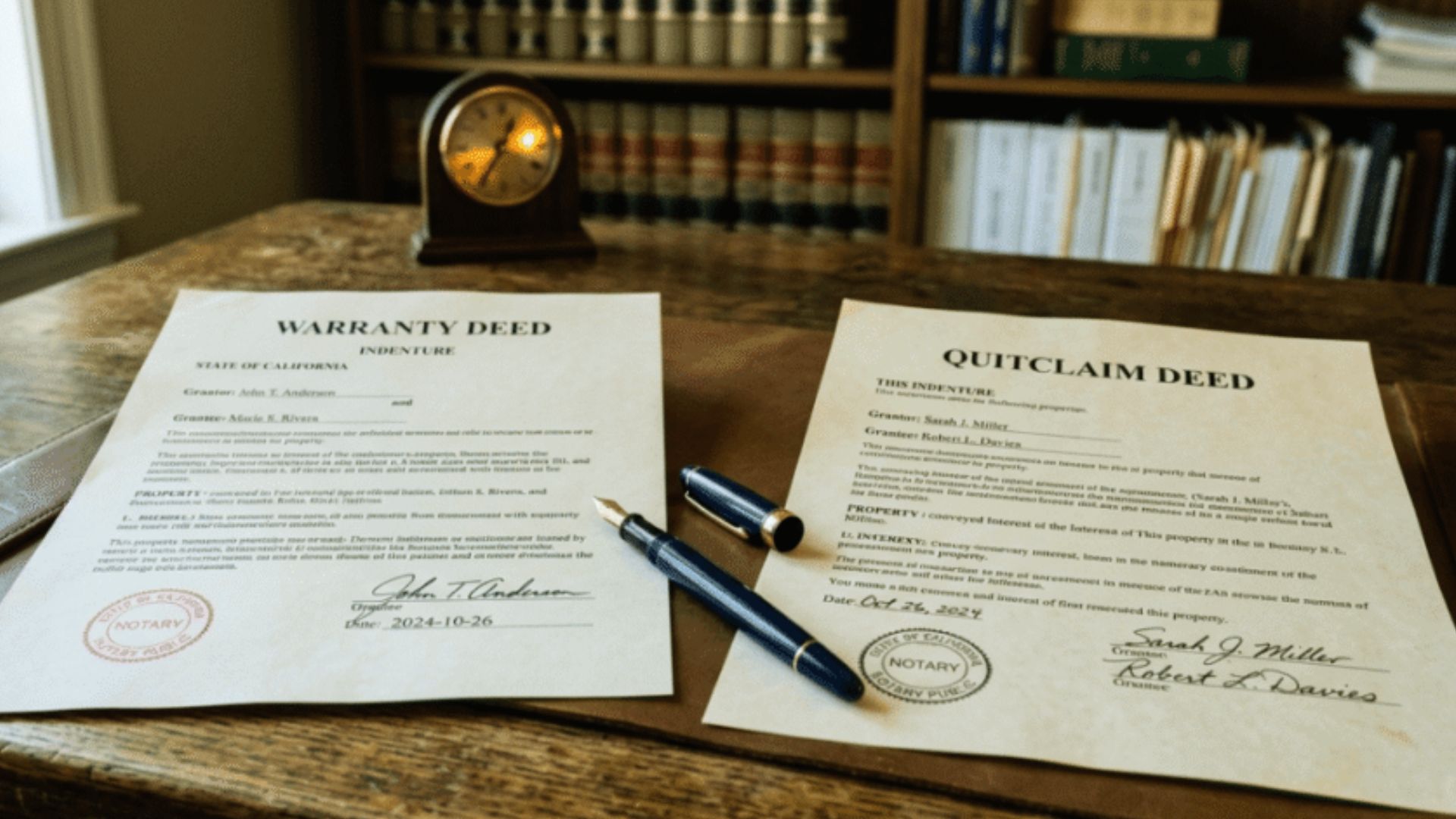


Putting your home in a trust does not erase the mortgage. The loan stays attached to the property, and someone still has to pay it. So who pays the mortgage on a house in a trust? It depends on the type of trust and the role you play in it.
In a revocable living trust, you usually keep paying, just like before. In an irrevocable trust, the trustee pays from trust assets. After the grantor dies, a successor trustee takes over.
Federal law also stops most lenders from calling the loan due when you move your home into a trust. You still need to plan the transfer with care.
I'll walk through who pays in each case. I'll also explain what the Garn-St. Germain Act protects and how buying a house with a trust works.
Disclaimer: This article is for general informational purposes only and doesn't count as legal advice. Talk to a licensed estate planning attorney in your state for guidance specific to your situation.
Does Putting a House in a Trust Change Who Pays the Mortgage?
No. Moving a house into a trust changes who holds the title. It does not touch the mortgage. The loan is a separate contract between you and your lender, and that contract doesn't care who owns the deed.
Your lender still expects the same payment, on the same schedule, from the same borrower. The trust doesn't step in to cover it unless you specifically set it up that way. Your promissory note stays exactly as it was signed.
This surprises a lot of people. They assume a trust somehow absorbs the debt along with the property. It doesn't work that way. Title and debt are two different things, and putting a house in a trust only moves one of them.
How a Mortgage Works Once a House Is in a Trust
When you place a home into a trust, the trust becomes the legal owner on paper. But your mortgage loan stays attached to you personally, not to the trust.
The lender's lien on the property doesn't move either. They can still foreclose if payments stop, regardless of who technically holds the title. Nothing about the trust structure removes that risk.
Most mortgages include a due-on-sale clause. That clause lets a lender demand full repayment the moment a property changes ownership. On paper, moving your house into a trust looks exactly like a transfer, so this clause could apply. Here's where federal law steps in.
Why the Due-on-Sale Clause Usually Doesn't Apply
The Garn-St. Germain Depository Institutions Act of 1982 (12 U.S.C. § 1701j-3) blocks lenders from enforcing that clause in specific situations. One of them is transferring your primary residence into a revocable living trust, as long as you stay a beneficiary and keep living there.
This is the actual reason trust transfers work for most homeowners with a mortgage still attached. Without this law, moving your house into a trust could trigger your entire loan balance coming due at once. With it, your lender has no legal grounds to call the loan just because the title changed hands.
The protection is specific, though. It covers your primary home. Investment properties and second homes fall outside this exemption, so those transfers deserve more caution and a closer read of your loan documents before you move forward.
Grantor, Trustee, or Beneficiary: Who Actually Pays?
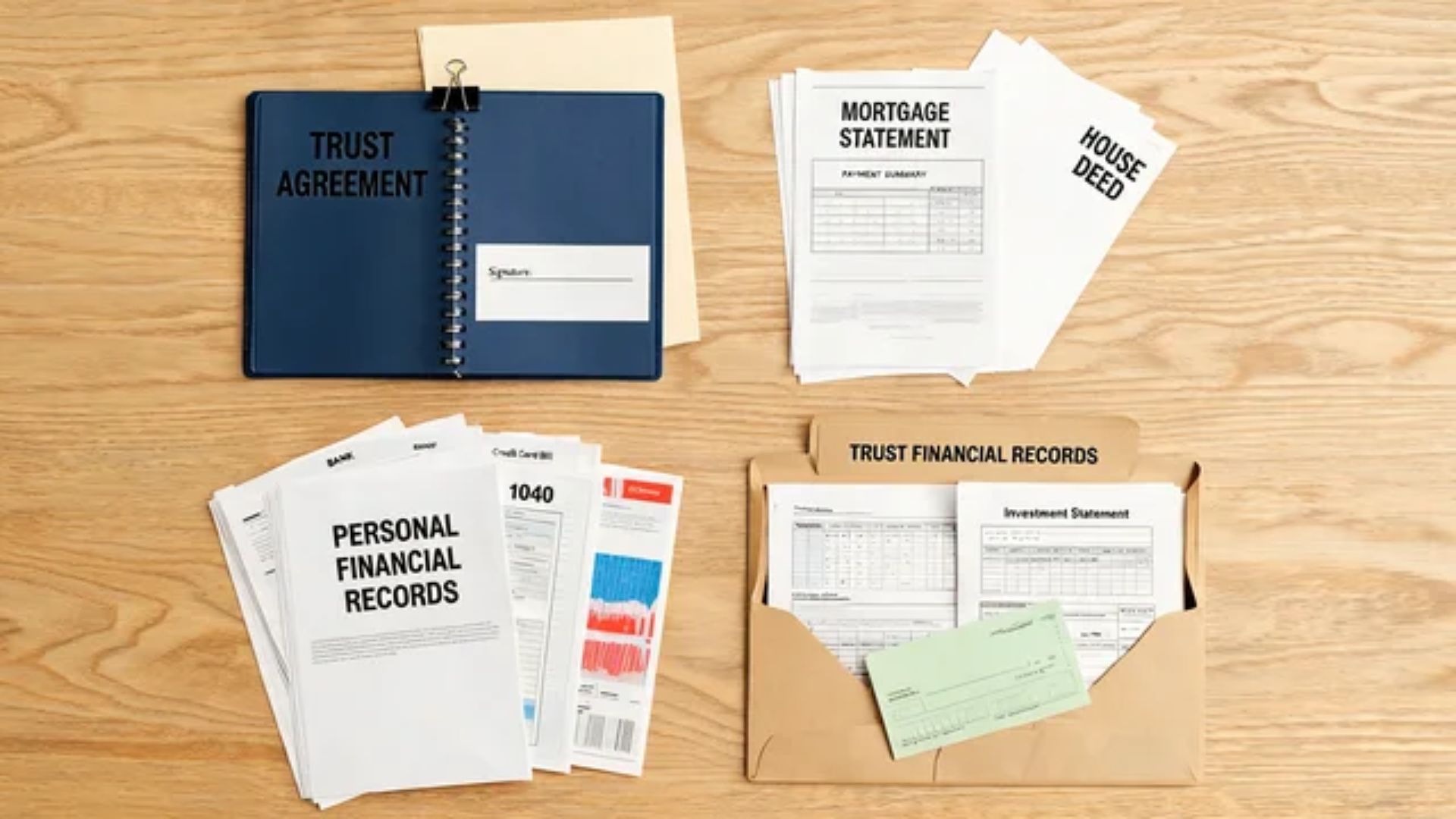
Who pays depends on which role applies to you and what kind of trust you're dealing with.
Revocable Living Trust
In a revocable living trust, you're usually both the grantor and the trustee. You keep paying the mortgage from your own accounts, exactly like before. Nothing changes about your day-to-day payment habits.
Since you can modify or cancel this trust anytime, lenders and tax authorities treat you close to how they'd treat a direct owner. Your lender's lien stays the same, and you're still bound by the original loan terms.
Irrevocable Trust
An irrevocable trust works differently. Once it's set up, you give up direct control. The trustee, who might not be you, becomes legally responsible for managing the property and its mortgage.
Payments have to come from trust assets or trust income, like rental income or investment returns. If you keep paying from your personal funds instead, that can count as a gift to the trust and create tax consequences worth checking with an attorney first.
Testamentary Trust
A testamentary trust only exists after you die. It's created through your will. Once it takes effect, a successor trustee uses estate or trust assets to keep the mortgage current.
The house stays inside the trust until it's sold or distributed to beneficiaries. Mortgage payments continue the entire time it sits there.
Who Pays at a Glance
| Role | Handles Payments In | Money Comes From | After the Grantor Dies |
| Grantor | Revocable trusts | Personal accounts | Role transfers to successor trustee |
| Trustee | Irrevocable trusts | Trust assets or trust income | Successor trustee takes over immediately |
| Beneficiary | Only if the trust document says so | Personal funds, if assigned | May inherit the home with or without the mortgage |
When you're the grantor, trustee, and beneficiary all at once, which is common in revocable trusts, you're the one making every decision. When you die or become incapacitated, a successor trustee takes over everything, including the mortgage.
Where the Money for Mortgage Payments Comes From
The funding source depends entirely on the trust type and what it holds.
Grantor's Personal Funds
In revocable trusts, you keep paying from your own checking or savings account. This is the simplest setup by far. Your lender doesn't need to get involved beyond an initial notice about the title change.
Trust Assets or Trust Income
For irrevocable trusts, the trustee has to pull from trust funds. If the trust holds rental property or investment accounts, that income can cover the mortgage directly. The mortgage should come first in the budget. A default puts the house, and the trust's main asset, at risk.
What Happens If Trust Funds Run Short
If the trust doesn't have enough money and nobody covers the gap, the mortgage can slip into default. The trustee has to act fast here.
Options include selling a trust asset, asking the grantor for a contribution if the trust is revocable, or asking a court for guidance. Letting payments lapse creates real legal exposure for the trust and everyone set to inherit from it.
What Happens If the Mortgage Doesn't Get Paid?
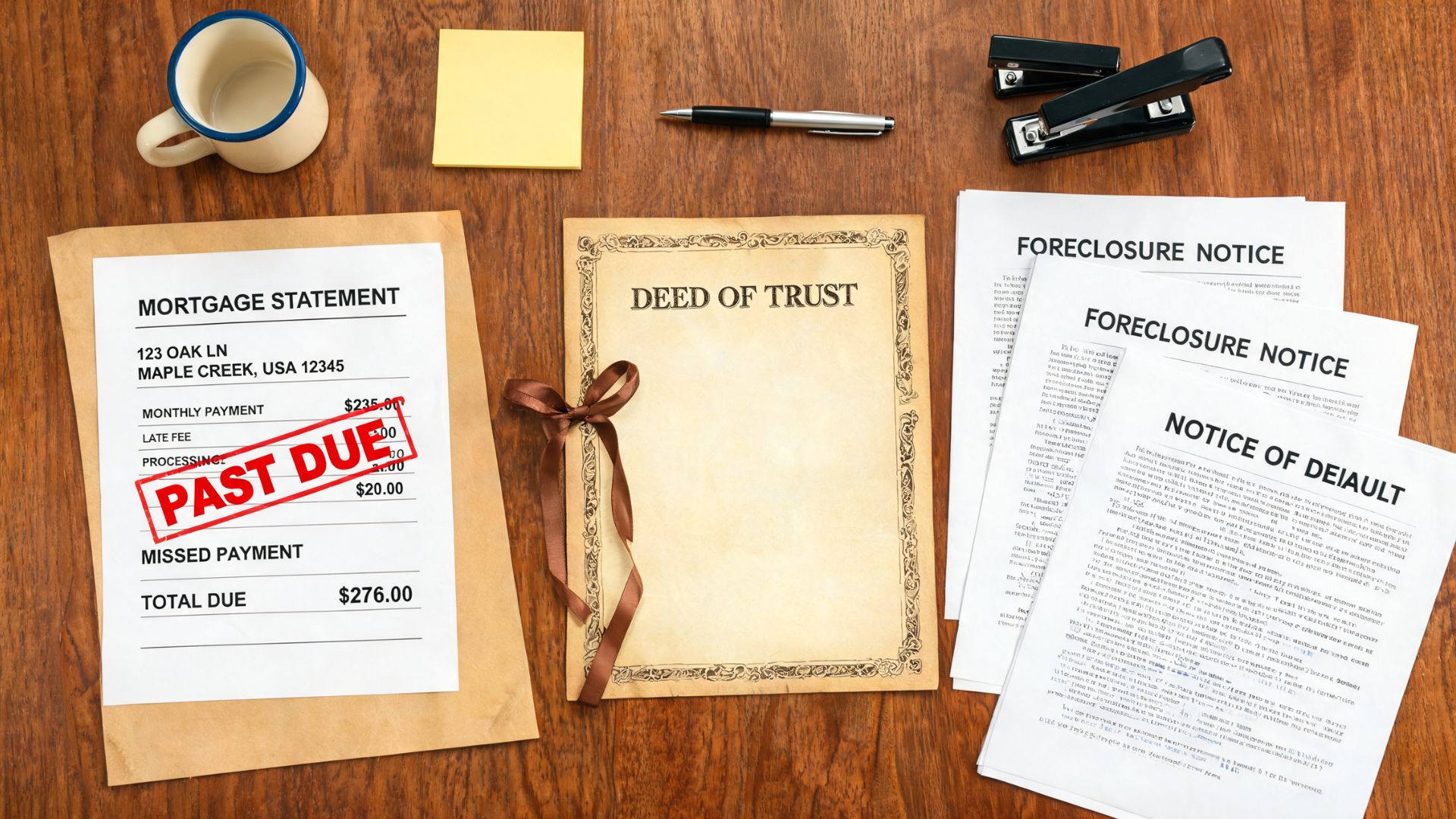
A missed payment on a trust-held property carries the same consequences it would anywhere else. The lender can still start foreclosure. Being inside a trust gives the property no shield from that.
The trustee is the one who receives foreclosure notices and has to respond. In a revocable trust, that's usually you. In an irrevocable trust, the named trustee has to step in to cure the default or manage the process.
Beneficiaries generally can't do much once foreclosure starts, which is exactly why the trustee needs to stay ahead of the payment schedule from day one.
Can You Put a House With a Mortgage Into a Trust?
Yes, but it takes some prep work first. Before you transfer a mortgaged home into a trust, read through your loan agreement for any due-on-sale language, then contact your lender in writing.
Even in situations where federal law protects you, some lenders still want their own forms filled out before they'll sign off. Skipping that step can cause headaches later, even if the transfer itself is legally protected.
A simple letter works. Send it to your servicer's notice address by certified mail. Include a copy of the recorded deed, and keep the receipt with your trust records.
You'll also want to update your homeowner's insurance to list the trust as an additional insured, while keeping yourself covered as the occupant. This gets missed constantly and can leave a coverage gap if you ever need to file a claim.
Property taxes and homestead exemptions are worth checking too. Revocable trusts usually keep these benefits intact. Irrevocable trusts sometimes don't, so confirm the rules with your local tax assessor or an attorney before you finalize anything.
Using a Trust to Buy a House
You can, and it's a different process than moving an existing home into a trust. The main question is where the money comes from, since that decides how smooth the purchase goes.
If your trust already holds enough cash, it can buy the house outright with no mortgage involved. The trustee signs on behalf of the trust, and the deed goes straight into the trust's name from day one.
If you need financing, most lenders won't write a mortgage directly to a trust. They want an individual's income and credit behind the loan. In that case, you buy the house in your own name first, then deed it into the trust right after closing, the same way you would with a house you already owned.
The trust type matters too. With a revocable trust, using a trust to buy a house is simple, since you still control everything and can move the property in whenever you want. With an irrevocable trust, the trustee usually has to show the purchase serves the beneficiaries' interests before moving forward, which can slow the timeline down.
Mortgage Payments After the Grantor Dies
Death changes who's in charge, but the mortgage payment itself doesn't skip a beat.
Who Takes Over
The successor trustee named in the trust document takes over the moment the grantor dies. They're responsible for keeping the mortgage current through the entire estate administration period. Payments keep coming due on the same schedule, so the trustee needs to be ready to act right away.
How the Trustee Manages It
The successor trustee should locate every account tied to the trust, confirm the mortgage balance and due date, and set up a payment system that won't lapse.
Money can come from a trust bank account, investment income, or selling off another trust asset if the main funding source comes up short.
What Beneficiaries Should Expect
Distribution takes time, so don't expect the house right away. If you're set to inherit a home that still has a mortgage, that debt may come with it. Sometimes the trustee pays off the loan from trust funds before handing the property over, which means you receive the home free and clear with no new loan to qualify for.
Selling or Refinancing a House Held in a Trust
Selling or refinancing a trust-held property follows the same basic steps as any other sale, just with a couple of extra layers.
The trustee can sell the house if the trust document allows it. Sale proceeds pay off the mortgage first, and whatever's left goes back into the trust or out to beneficiaries, depending on the trust terms.
Refinancing gets a bit more complicated. Some lenders won't lend directly to a trust, so they'll ask the trustee to temporarily move the title into an individual's name, complete the refinance, then transfer it back into the trust afterward. It's extra paperwork, but it's a routine process most trustees handle without much trouble.
If the trust has enough assets, paying off the mortgage before the beneficiary takes ownership is often the cleanest path. That way the beneficiary gets the house without debt and skips the hassle of loan assumption or new financing altogether.
Common Mistakes People Make
A few errors show up again and again with mortgaged homes in trusts. Most of them are easy to avoid once you know to look for them.
- Not notifying the lender in writing before the transfer
- Forgetting to update homeowner's insurance to name the trust as an additional insured
- Mixing trust funds and personal funds without understanding the tax consequences
- Skipping a legal review of the trust document before the title transfer
- Picking a successor trustee who doesn't know where the financial records are kept
- Assuming the trust shields the house from foreclosure if payments stop
- Not checking state-specific homestead exemption rules before transferring
Tips for Managing a Mortgaged House in a Trust
A little planning up front saves a lot of trouble later. These are the habits worth building into the process from the start.
- Talk to an estate planning attorney before transferring any mortgaged property
- Notify your lender in writing and keep their response on file
- Open a dedicated trust bank account for property-related expenses
- Spell out mortgage responsibility clearly in the trust document
- Review the trust every few years or after major life changes
- Make sure your successor trustee knows where every financial document lives
- Check your state's homestead exemption rules before completing any transfer
- Loop in both your attorney and lender before refinancing trust-held property
Final Thoughts
In most revocable trusts, the grantor stays responsible for payments and nothing changes day to day. In irrevocable trusts, the trustee manages payments from trust assets. After death, the successor trustee steps in immediately.
Federal law protects most homeowners from lenders calling loans due during a trust transfer, but that protection only works if you plan.
Notify your lender before the transfer, update your insurance, confirm your homestead exemption status, and work with a qualified estate planning attorney.
Have questions about putting your mortgaged home in a trust? Drop them in the comments below, and we'd love to help.
Frequently Asked Questions
Can a lender force me to pay off my mortgage when I put my home in a trust?
No, not under the Garn-St. Germain Act. It blocks lenders from enforcing due-on-sale clauses when you transfer your primary residence into a revocable trust where you stay a beneficiary. Notify your lender in writing anyway, since some still require their own paperwork even in protected situations.
Does putting my home in a trust affect my homestead exemption?
It depends on your state. Revocable trusts usually keep the exemption intact. Irrevocable trusts sometimes don't. Check with a local attorney or your county tax assessor before you complete the transfer, so there are no surprises on your next tax bill.
Can I use a trust to buy a house?
Yes. If the trust holds enough cash, it can buy outright with the deed going straight into the trust's name. If you need a mortgage, you'll usually buy the house personally first, then transfer it into the trust right after closing, since most lenders won't finance a trust directly.
What happens to the mortgage if both borrowers die and the home is in a trust?
The successor trustee takes over management of the property and the mortgage right away. From there, the trust document decides what happens next, whether that's selling the home, paying it off with trust assets, or distributing it to a beneficiary who takes on the loan.
Do I need a lawyer to transfer a mortgaged home into a trust?
Yes. An estate planning attorney drafts the deed correctly, coordinates with your lender, and makes sure the trust document clearly spells out who's responsible for the mortgage. For example, a deed with the wrong trustee name can cloud the title and stall a later sale or refinance.