
A real estate deal involves more than agreeing on a price. Both parties take on obligations that can have legal and financial consequences if they fail to follow through.
A bilateral contract in real estate creates this two-way commitment, whether you are buying a home, renting a property, or hiring a real estate broker.
Understanding how these agreements work can help you recognize your responsibilities, avoid common misunderstandings, and make informed decisions before signing.
Disclaimer: This article explains general concepts and is not legal advice. Contract rules, writing requirements, and remedies differ by state and by the exact wording of your agreement. For a specific deal, talk to a licensed real estate attorney in your state.
What Is a Bilateral Contract in Real Estate?
A bilateral contract is a two-sided agreement where both parties make legally binding promises.
In real estate, the buyer promises to pay the price. The seller promises to transfer the property.
Think of it as a promise traded for a promise. Each side is both the one making a promise and the one receiving one.
That trade has a name, and lawyers call it consideration . Each side’s promise is the payment for the other’s, so no cash has to move on signing day. The one making a promise is the promisor, and the one receiving it is the promisee.
“Bilateral” does not mean two people signed. It means both people are now bound to act. That label stops working when only one side has made a binding promise.
Bilateral Contract Real Estate Examples: Which Agreements Qualify?

You will run into three bilateral contracts more than any others. Each one works for the same reason: both sides owe something that nobody has delivered yet. Not every real estate agreement works this way.
1. Real Estate Purchase Agreement
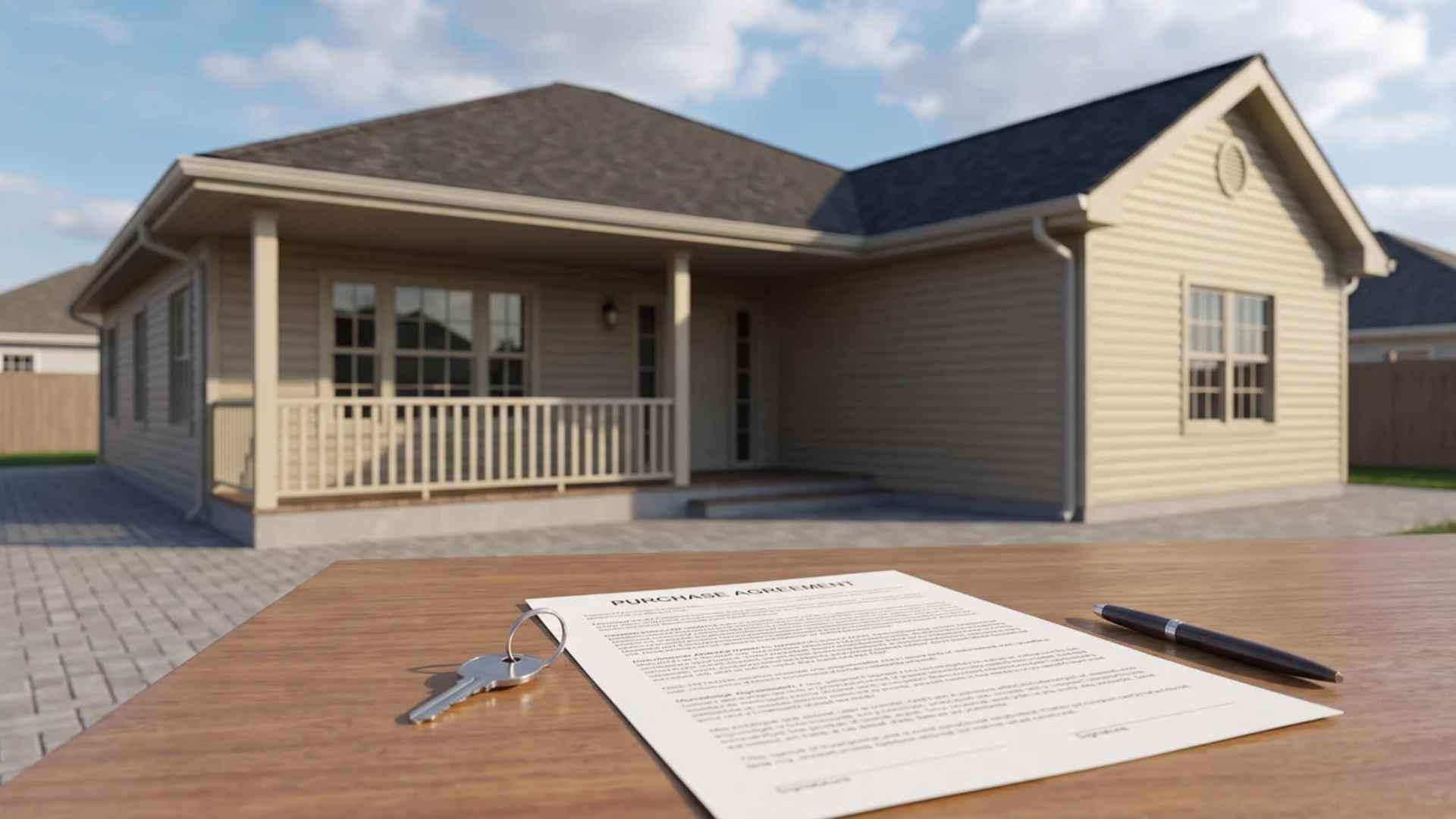
The buyer promises to pay the price, and the seller promises to hand over the title. If a buyer agrees to pay $400,000 and the seller agrees to deliver clear title, each now holds a promise the other can enforce.
A purchase agreement must be in writing and signed to be enforceable. That comes from the Statute of Frauds , a rule that certain contracts need a written record. A handshake deal on a house will not hold up. Exact rules vary by state.
2. Lease Agreement
The landlord promises the tenant use of the property. The tenant promises to pay rent.
Both promises are still unfinished the day the lease is signed.
The tenant pays rent each month, and the landlord keeps the space available for the whole term. Neither side has finished performing until the lease ends, and either side can face consequences if a tenant defaults on a lease .
3. Exclusive Listing Agreement
The seller promises to pay a commission if the broker finds a ready, willing, and able buyer. The broker promises to market the property.
Both sides promised something, so it is bilateral. An open listing is different because the broker promises nothing in return.
For example, if a seller signs an exclusive listing promising a 6% commission and the broker spends 90 days marketing the property, both sides have already started performing their half of the deal.
What Happens Between Signing and Closing in a Bilateral Contract?

Signing day starts the clock. From that point until closing, both of you carry real obligations. A bilateral real estate contract becomes binding when both parties sign.
Money and title change hands later. Contingencies are where people get confused. A financing, inspection, or appraisal contingency is a condition written into the promise.
The buyer’s promise really says, “I will buy if the loan comes through.”
Using a valid contingency is not breaking the contract. Walking away because you got nervous is different. Without a valid contingency, that is a breach.
Two buyers can sign the same form and end up in different spots. One keeps a financing contingency and has a clean exit. The other waived it to look stronger and has none.
Deadlines matter too. Say your financing contingency ends on day 21. If your loan approval lands on day 22, the exit you counted on may be gone.
If someone does breach, the other side has options. Sellers may keep the earnest money, the deposit the buyer put down at signing, typically 1% to 3% of the purchase price.
Either side may sue for damages or ask a court for specific performance , an order to complete the sale.
Which of these applies depends on the contract wording and your state’s law. Read that part before you sign, not after.
How Is a Bilateral Contract Different From a Unilateral One?
A bilateral contract binds both sides to a promise; a unilateral contract binds only one side until the other party performs. The test is simple: has each side promised something they still have to do?
| Feature | Bilateral Contract | Unilateral Contract |
|---|---|---|
| Who promises | Both parties | Only one party |
| How the other side agrees | By making a return promise | By performing the requested act |
| Real estate example | Exclusive listing agreement | Open listing agreement |
| Seller’s obligation | Owes a commission | Pays only the broker who brings a buyer |
| Broker’s/buyer’s obligation | Broker owes real marketing work | No broker has promised anything |
| Option contract | — | Seller is bound to hold the deal open; buyer isn’t bound to buy |
The title on the document doesn’t settle which type it is, the obligations do. Same setting, different contract: an exclusive listing is bilateral, an open listing is unilateral.
The Bottom Line
A bilateral contract in real estate is built on mutual promises, but those promises come with responsibilities that can last well beyond signing day.
Understanding what each party must do, which conditions apply, and when deadlines expire can help you avoid costly mistakes. The most important takeaway is that a signed agreement is not just a record of what both parties want.
It establishes obligations that may be legally enforceable. Before committing to a property deal, review the terms carefully and seek legal advice if anything is unclear. Make sure you review your contract before you sign.
Frequently Asked Questions
What is a bilateral contract?
A bilateral contract is an agreement where both parties exchange binding promises. In real estate, the buyer promises to pay the price and the seller promises to transfer the property. Each promise is the other’s payment, so both sides are bound once the contract is signed.
How can you tell if a contract is bilateral or unilateral?
Check whether both parties made a promise they must still perform. If each side owes something, like payment and title transfer, the contract is bilateral. If only one side is obligated, it is unilateral. The other side accepts by acting, as with an open listing or option.
Is a lease agreement a bilateral contract?
Yes. The landlord promises the tenant use of the property, and the tenant promises to pay rent. Each promise supports the other, and both sides are bound once the lease is signed. Lease terms and writing requirements vary by state, so check your local rules.
What happens if one party breaches a bilateral real estate contract?
If one party fails to perform without a valid contingency or legal excuse, the other side can seek a remedy. That may mean keeping the earnest money, suing for damages, or asking a court for specific performance. What is available depends on the contract terms and state law.