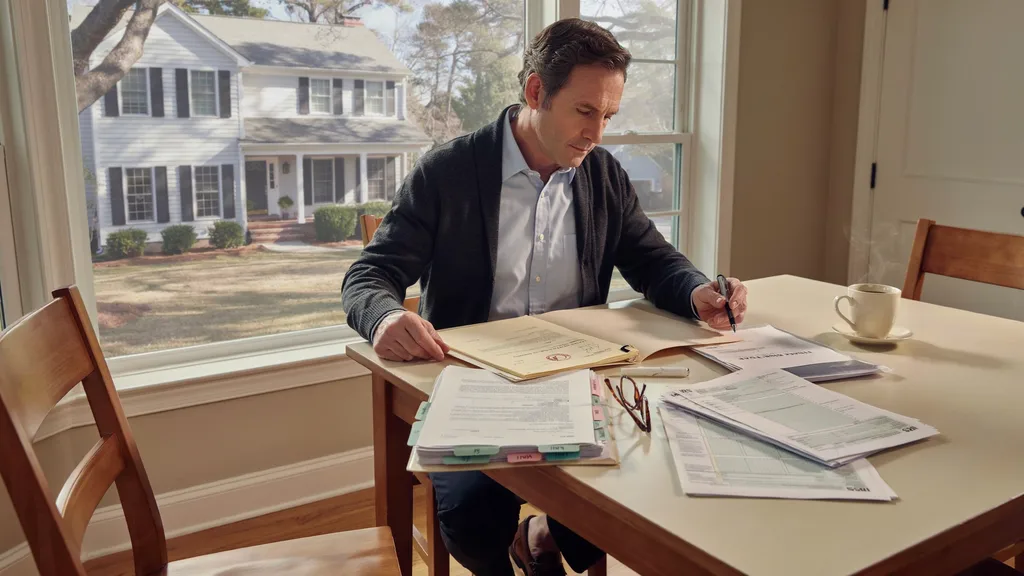
Selling a house in a trust after death puts you in a job you probably didn’t ask for: successor trustee. The house hasn’t changed. But who’s allowed to make decisions about it has.
Before you list it, sign anything, or move a single dollar, you need to know your authority, what the trust asks of you, and how the sale gets taxed once it closes.
I’ll walk you through this in order: confirming your right to act, getting the property and the trust ready, closing the sale, paying debts, and handing out what’s left.
Along the way, I’ll flag what trips people up most… taxes a stepped-up basis doesn’t fully wipe out, and family friction that stalls more sales than paperwork ever will.
Who Has the Authority to Sell a House Held in a Trust After Death?
Here’s the part people get wrong first: only a confirmed successor trustee can sell the house.
Not a beneficiary. Not a family member who’s “handling things.” Not whoever’s planning the funeral.
That authority comes from the trust document itself. It’s not passed down through blood, and beneficiaries can’t vote it into existence by agreeing among themselves.
Families often assume that because everyone’s on the same page, someone can just go ahead and list the house. That’s not how it works. Until your authority is documented, no sale can legally move forward.
Two things need to happen before you can act, and they work a little differently in practice.
1. Confirming Your Legal Authority
Read the trust document closely. Don’t skim it. You’re hunting for the succession clause, the part that says who takes over and when.
Once you’ve confirmed you’re the named successor, order several certified copies of the death certificate.. exactly how many depends on how many banks, insurers, and agencies you’ll need to deal with, so it’s worth over-ordering rather than running short.
This isn’t overkill.
Title companies, banks, and the county recorder each want their own copy. Running out mid-process is a real and common delay.
From there, prepare a certification of trust. This shorter document proves your authority to title companies and agents without handing over the full trust, which often has details the family doesn’t want floating around.
2. Securing the Property and Setting the Tax Basis
Do this at the same time you’re confirming authority, not after. As soon as you know you’re the trustee, change the locks.
A vacant home after a death is a known target. Old keyholders like former tenants, contractors, even estranged relatives may still have access, and you won’t always know who.
Keep the utilities running and get vacant home insurance.
Standard homeowner policies almost always include a vacancy clause, and it typically kicks in somewhere in the 30-to-60-day range, but the exact window is set by your specific carrier and policy form, not a fixed rule.
Read your policy’s vacancy clause directly, or ask your agent, before assuming you’re covered.
Then order a retrospective, date-of-death appraisal. This tells you what the home was worth on the exact day the grantor died, not today.
This number matters more than people realize. It sets the tax basis for the entire trust, and every tax calculation later gets measured against it, so it needs to be accurate, not a quick guess from an agent.
Authority can also stall in ways that have nothing to do with paperwork.
If a trust names co-trustees, both usually have to agree on big decisions like a sale. One can’t sign a listing agreement alone, even if they’re sure it’s the right call, and this gets messy fast when one co-trustee is also a beneficiary who stands to gain from a quick sale.
If the trust document doesn’t name a successor, or the named trustee can’t serve, you’re often looking at a court appointment.
That’s a probate court filing, not a trust matter, and it can add weeks or months before you can do anything at all. The timeline depends heavily on your local court’s caseload.
Preparing the Trust and the Property to Go on the Market

Before the house goes on the market, the trust itself needs paperwork sorted out. Not just the property.
One thing that catches people off guard: the trust usually needs its own tax ID before you can go much further.
Getting a Tax ID for the Trust
A trust generally becomes irrevocable the moment the grantor dies. Once that happens, it typically needs its own Employer Identification Number, or EIN.
It can no longer file taxes under the grantor’s Social Security number, even if that’s what it used before.
Get this through the IRS EIN Assistant. It’s free, and in most cases you’ll have it the same day. Skip this step and you’ll likely stall out later; title companies and escrow agents will ask for it at closing.
Hiring an Agent and Preparing the Home
Not every agent has sold a trust property before. That gap matters.
An agent who’s done this before knows how to handle disclosures when you, the trustee, are signing off on a home’s condition without having lived there. They also know how to field the title questions a buyer’s lender sometimes raises on trust-held property.
Beyond the agent, someone has to physically get the house ready. Clear out belongings. Fix what needs fixing. Get it into shape to show.
Things usually slow down right here. Clearing out a lifetime of belongings hits harder than families expect, and disagreements over what to keep or toss are common.
Deferred maintenance catches people off guard too. A home someone lived in for decades often has repair issues a buyer’s inspector will flag immediately, and trustees are often surprised by how much needs fixing before the house is ready to sell.
Closing the Sale and Understanding the Tax Consequences
A lot of folks get this wrong, or skip it entirely: a stepped-up basis lowers your tax bill on this sale, but it doesn’t erase it. What you actually owe depends on the gap between the home’s appraised value at death and the price it sells for at closing.
Plenty of trustees assume “stepped-up basis” means “no taxes.” It doesn’t, and that assumption is exactly where people get caught off guard.
Signing as Trustee
This part is simple once your authority is nailed down. You sign every closing document with your formal title.. something like “Jane Doe, Trustee of the Smith Family Trust”, never as an individual.
That signing power ties straight back to the certification of trust you prepared earlier. The title company already reviewed it to confirm you can legally sell the property.
How Gain on the Sale Is Actually Calculated
This is the piece that actually decides your tax bill, and almost nobody walks through it clearly.
When the grantor dies, the home’s tax basis steps up to its fair market value on that date; the number your appraisal set.
This is the stepped-up basis rule under IRS Code Section 1014. From there, tax generally only applies to gains that happen after the date of death.
Say the appraisal comes in at $450,000, and the home sells four months later for $460,000. The taxable gain is $10,000. Not $460,000 minus whatever the grantor paid decades ago.
That’s exactly why timing matters. A fast-moving local market or a slow closing can quietly build up real tax exposure, even though the sale happens “right after” the appraisal.
Selling costs help you here. Commissions, closing costs, and repairs made to get the house sold typically reduce the taxable gain, since they’re subtracted before the gain gets calculated.
If you’re assuming the stepped-up basis covers you completely, you might be in for a surprise. It shows up most often in markets where prices moved fast between the appraisal and the closing date.
Paying Debts and Distributing the Proceeds

Debts and holdbacks come before any payout to beneficiaries. This order isn’t a suggestion; get it wrong, and you can end up personally on the hook.
Before anyone sees a dollar, sale proceeds go toward:
- Outstanding mortgages and liens on the property
- Final expenses like funeral costs and unpaid medical bills
- Administrative costs of settling the trust
Once those are covered, hold back a portion of what’s left rather than distributing every dollar.
There’s no fixed rule for the amount. It depends on the estate’s size, how complex its taxes are, and what your attorney or accountant recommends for your situation.
Why hold anything back at all? Tax bills tied to the sale, including any capital gains, often aren’t final until well after closing. If you’ve already handed out every dollar, you’ve got nothing left to cover a bill that shows up later.
Trustees often rush this part because they’re tired of fielding calls from beneficiaries and just want it done. That’s understandable, but it’s also where mistakes happen.
If a tax bill or late claim shows up after you’ve distributed everything, you may have to ask beneficiaries to give money back. That conversation goes badly more often than not, even between people who started out on good terms.
What Commonly Goes Wrong When Selling a House in a Trust
My honest take, after watching this play out again and again: most delays have nothing to do with paperwork. They come from people, not the process.
A handful of situations account for almost every stalled sale I’ve come across:
Beneficiary disagreement.
Fighting over price, timing, or whether to sell at all. Your job as trustee is to act in the best interest of the trust as a whole, not to follow whoever argues the loudest.
Trustee-beneficiary conflict.
When the trustee is also a beneficiary, other family members sometimes assume favoritism, even when nothing improper happened, though there are serious consequences for trustee misconduct when it’s real.
Document everything: multiple pricing opinions, every offer received, and your reasoning for accepting one.
Acting too early. Signing a listing agreement or negotiating with a buyer before your authority is confirmed. This can get challenged later and force you to unwind agreements and start over.
If you take one thing from this section, take this: the paperwork is the easy part. Managing the people is where trustees actually get stuck.
Wrapping Up
Selling a house in a trust after death is rarely just a real estate deal. It’s a legal and financial process sitting on top of a personal loss, often with people watching closely and waiting for their share.
Getting the order right matters: confirm your authority before you act, get the trust and the property ready before you list, understand the real tax picture before you assume a stepped-up basis covers everything, and hold back funds before you distribute the rest.
The steps themselves are learnable, most of what people struggle with isn’t the process itself, it’s not knowing the process exists until they’re already behind on it.
The harder part is the people; managing disagreement, documenting decisions, and communicating clearly enough that a hard sale doesn’t turn into a lasting family rift.
Frequently Asked Questions
Do you pay capital gains tax on a house sold from a trust after death?
Possibly. The trust’s tax basis steps up to the home’s value on the date of death, so tax generally applies only to gains above that value. If the home sells close to its appraised value, taxable gain is small or zero. A higher sale price creates tax on the difference.
What tax consequences should you expect when selling a house held in a trust?
Expect possible capital gains tax on any rise in value between the date-of-death appraisal and the final sale price. The trust may also need its own EIN and tax filings. Funds are usually held back to cover these costs before the rest gets distributed.
How hard is it to sell a house that’s held in a trust?
The process itself isn’t legally complicated once your authority is confirmed. It looks a lot like a normal home sale with extra paperwork. The hard part is usually beneficiary disagreement, not the mechanics of the sale.
Who is legally allowed to sell a house that is in a trust?
Only the successor trustee named in, or properly appointed under, the trust document can sell trust-held real estate. Beneficiaries can’t authorize a sale on their own, even if they all agree, unless the trust document gives them that power.