When a spouse passes away, figuring out what happens to shared property can feel overwhelming, especially if you have never dealt with legal paperwork before.
One of the most common questions families face in this situation is: "How do I get the property transferred into my name?" That is exactly what a spousal property petition helps you do.
This article walks you through the full process, from understanding what the petition is, to filing it correctly, to what happens once it gets approved.
By the end, you will know exactly what steps to take and what to avoid.
What Is a Spousal Property Petition?

A spousal property petition is a legal court request that a surviving spouse files to confirm ownership of property after their partner's death.
Think of it as the court putting an official stamp on what was already yours or jointly held under state law.
It does not create new ownership, it simply clarifies it. Courts use this process to protect surviving spouses from lengthy probate proceedings while creating a clear public record.
A surviving spouse or registered domestic partner can file, provided the property falls under community or marital property laws.
It is commonly used when a spouse dies without a will, title records are outdated, or a lender needs legal confirmation of ownership.
Spousal property petitions are primarily available in community property states such as California, Arizona, Texas, Nevada, and Washington.
Other states offer different probate alternatives or simplified successor procedures that serve a similar purpose.
Because probate laws vary by state, always verify the correct process with your local probate court before filing.
Who Can File a Spousal Property Petition?
Not every surviving family member qualifies to file this type of petition.
The surviving legal spouse is the primary person who can file. In states that recognize registered domestic partnerships, a qualifying domestic partner may also be eligible.
To file, you must be able to show that the property was marital property, jointly owned property, or shared marital assets acquired during the marriage.
Property that belonged solely to the deceased before the marriage or was received as a separate gift or inheritance may not qualify.
Children, siblings, or other heirs generally cannot use this process. If you are unsure whether you qualify, check your state's probate court guidelines or speak with a probate attorney before filing.
When Do You Need a Spousal Property Petition?

Filing at the right time makes the whole process smoother. The most common reason is the death of a spouse, when banks and title companies need legal proof of sole ownership.
If the estate is already in probate, a spousal property petition can run alongside it to resolve specific property faster.
Planning to sell or refinance? A court-approved petition clears the title and satisfies lender requirements.
In community property states, it confirms your full ownership of shared marital assets, though separate property follows different rules.
If joint tenancy, a transfer on death deed, or a living trust is already in place, ownership transfers automatically and no petition is needed.
The will does not override your rights as a surviving spouse in community property states, though it may affect how separate property is distributed.
There are also situations where this petition is not the right option. If the property was held in a living trust, jointly owned with right of survivorship, or already covered by a transfer on death deed, ownership transfers automatically without court involvement.
Similarly, if the estate is large, involves multiple heirs, or includes property in another state, full probate or a different legal process may be required.
How Does the Spousal Property Petition Process Work?
The process is more manageable than most people expect. Here is a step-by-step look at what happens from start to finish.
Step 1: Confirm Your Eligibility
Before filing anything, make sure you qualify. You must be the legal spouse or qualifying domestic partner of the deceased.
You also need to confirm that the property you are claiming falls under community property laws or was jointly owned during the marriage.
Step 2: Gather the Required Legal Documents
Pull together your marriage certificate, the death certificate, the property deed, and any existing estate documents.
Having everything organized before you start the filing process will save you multiple trips to the courthouse.
Step 3: Complete and File the Petition
Get the correct forms from your local probate court. Fill them out carefully and accurately.
Pay close attention to how you describe the property and the legal basis for your claim. Once complete, file the forms along with the required fee at the court clerk's office.
Step 4: Attend the Court Hearing (If Required)
Not all courts require a hearing. In straightforward cases, a judge may approve the petition based on the documents alone.
If a hearing is scheduled, attend it, bring all your documents, and be ready to answer basic questions about the property and your relationship to the deceased.
Step 5: Receive the Court Order
Once the judge approves your petition, you will receive a signed court order.
This is the official legal document that confirms your ownership. Keep multiple certified copies because you will need them for the next steps.
Step 6: Update the Property Title and Public Records
Take the signed court order to the county recorder's office and have it recorded promptly. This updates public property records, completes the property title transfer, and confirms you as sole owner.
Do not delay this step, as recording protects you from future title disputes.
Recording the order updates the public record, reflects your name as the sole owner on the title, and protects you from future ownership disputes or title defects.
Bring at least two certified copies.The recorder's office will keep one and return the other stamped with the recording information.
Once recorded, request a new copy of the deed showing your name as sole owner for your personal records.
Most straightforward petitions are completed within four to eight weeks from filing. Court backlogs, title disputes, or creditor objections can extend that timeline.
Documents Required for a Spousal Property Petition

Having the right paperwork ready before you start is one of the best things you can do to speed up the process.
Marriage Certificate
This proves your legal relationship with the deceased. Courts generally require an official certified copy rather than a photocopy, and some counties will only accept one issued within a certain timeframe, check with your local clerk's office before submitting.
Death Certificate (If Applicable)
You'll need the official death certificate issued by the county or vital records office. Most courts require at least one certified copy, and some will ask for more if you plan to use copies for banks, insurers, or other institutions at the same time.
Property Deed and Title Records
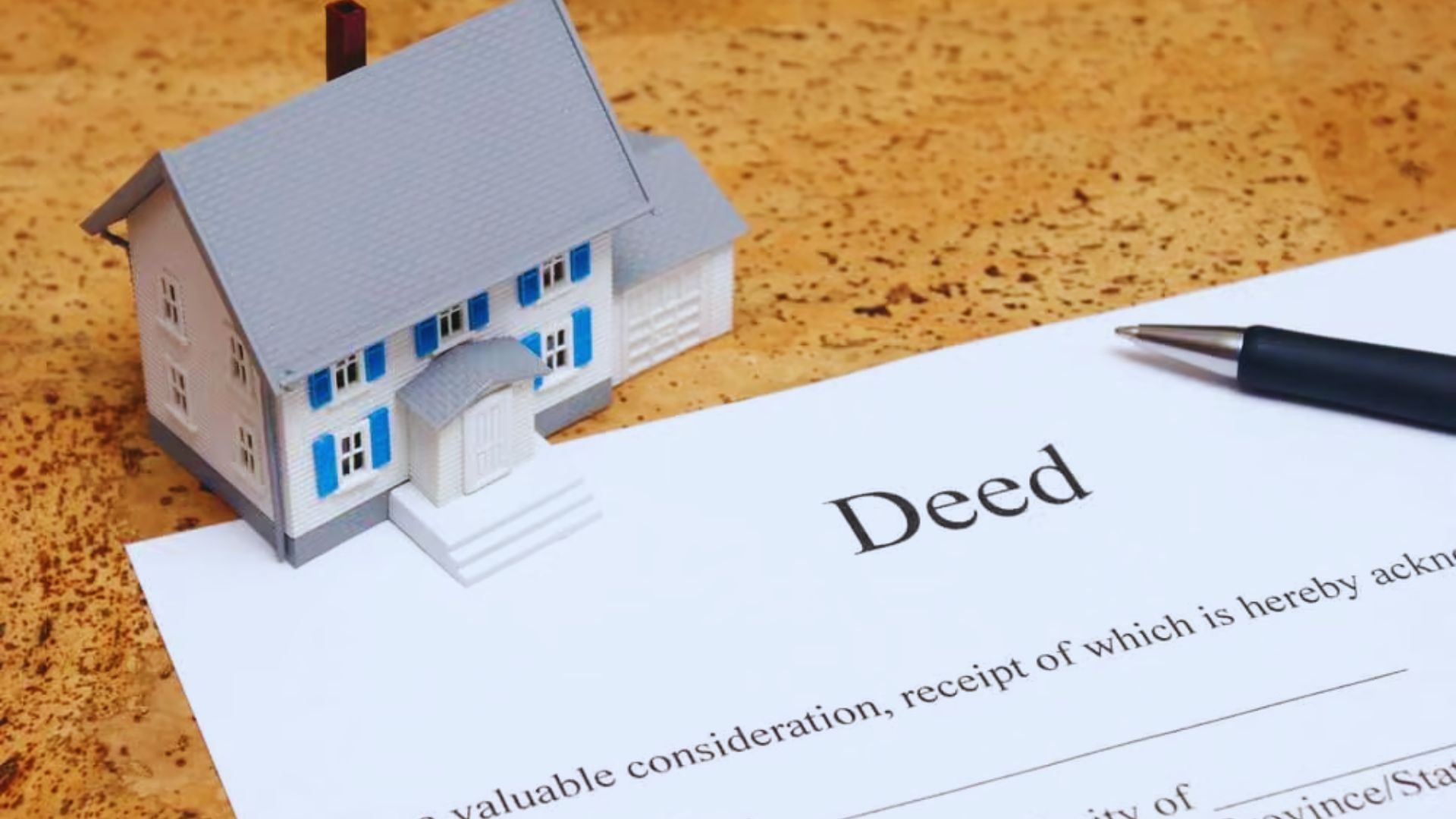
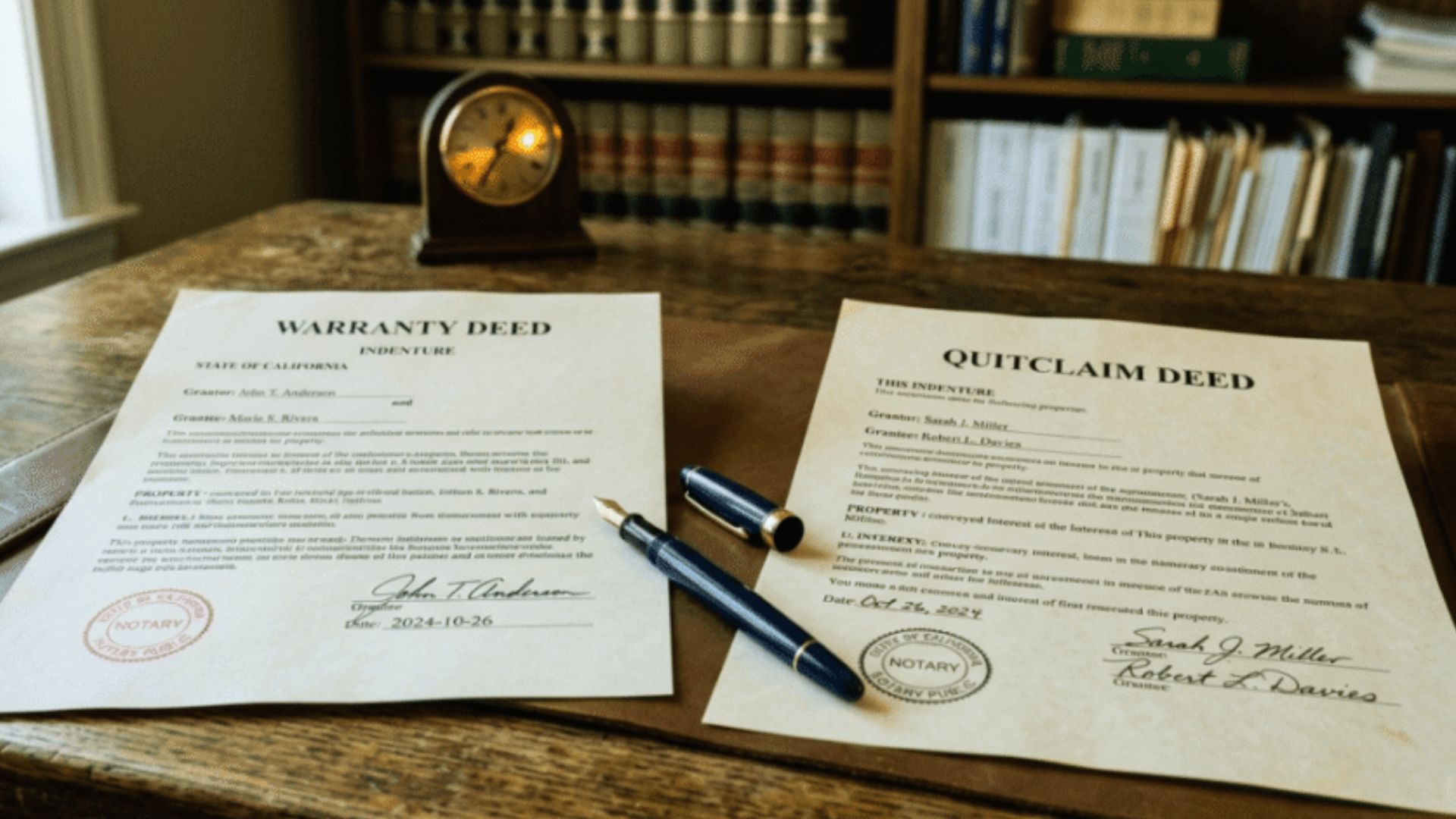
The deed shows how the property was titled — as sole ownership, joint tenancy, or community property, for example. This is critical because it helps the court determine how ownership should be transferred, and any discrepancy between the deed and your claim can delay approval.
Probate or Estate Documents
If the estate is in probate, include any letters of administration or testamentary, along with other court documents related to the estate. These show the court that the petition fits within the broader estate proceeding rather than conflicting with it.
Court Forms and Filing Fees
Each state and county has its own required forms, so get the current version directly from your local probate court rather than relying on an old copy.
Filing fees vary by state and county but typically range from $200 to $500, and recording fees at the county recorder's office are usually modest, often under $50.
(Confirm current fees with the clerk's office, since they change and vary by location.) If you hire a probate attorney for a complex or disputed estate, expect additional costs, though most straightforward petitions can be completed without one.
Ask the clerk's office for the complete list of required forms before you file.
Supporting Evidence That May Strengthen Your Case
Bank statements, mortgage records, tax returns showing joint filing, and any written agreements about property ownership can all support your claim if there are any questions about how the property was held.
Common Problems, Delays, and Mistakes to Avoid
Even a straightforward petition can run into problems. Knowing what to watch out for helps you stay on track:
- File in the probate court of the county where the property is located, or your petition will be rejected
- Double-check every document before submitting, since incomplete paperwork is the most common cause of delays
- Be ready to prove how the property was acquired and titled if family members or creditors dispute community property status
- Run a title search before filing to catch old liens, ownership disputes, or deed errors that can slow approval
- Know your state's deadlines for filing after a spouse's death, and keep a record of every document submitted and fee paid
What Happens After a Spousal Property Petition Is Approved?

Once the court approves your petition and the order is recorded, you become the sole legal owner of the property.
With this recorded order, you can sell or refinance, as title companies and lenders will accept it as proof of ownership.
Speak with a tax professional about any capital gains implications if you plan to sell.
After the title is updated, review your will, trust documents, and beneficiary designations to make sure everything reflects your current situation.
Expert Tips for Filing a Spousal Property Petition Successfully
A few smart moves before you file can save you time, money, and stress.
- Check your state's probate court website or call the clerk's office directly, as filing rules and forms vary by state.
- Gather all documents before filling out any forms and make at least three certified copies of each.
- Never leave fields blank on court forms, and always use the exact legal property description from the deed.
- Confirm the filing fee amount before going to the courthouse and make sure all required signatures are notarized.
- If the estate is complex or disputes arise, hire a probate attorney, as their fees are far lower than the cost of fixing mistakes later.
Conclusion
A spousal property petition gives surviving spouses a faster, lower-cost path to securing ownership compared to full probate.
Start by confirming your state's filing requirements, gather your documents early, and record the court order as soon as it is approved. For complex estates, disputed assets, or cases involving creditors, consult a probate attorney before filing.
If this guide helped you, share it with someone who needs it or find our related articles on estate administration and probate alternatives.
Frequently Asked Questions
Can a spousal property petition be filed without an attorney?
Yes, many surviving spouses file without legal help. However, complex estates or disputed property may benefit from professional guidance.
How long does it take for a spousal property petition to be approved?
Approval timelines vary by state and court backlog, but most petitions are resolved within four to eight weeks.
Does a spousal property petition cover all property owned by the deceased spouse?
No, it typically covers community or jointly held property. Separate property owned solely by the deceased may require probate.
Is a spousal property petition valid in all states?
Not all states use this specific process. Some use similar alternatives. Always check your state's probate laws before filing.
Can creditors challenge a spousal property petition?
In some cases, yes. If the deceased had outstanding debts, creditors may have a claim on certain assets before transfer is finalized.