
Burying a loved one on your own property may feel like a personal way to keep their memory close. But before making plans, you need to understand the legal and practical responsibilities involved.
Whether you can bury someone on your property depends on state laws, local zoning rules, and the approvals required for your specific location.
Owning the land does not automatically permit you to establish a burial site. Knowing these requirements early can help you avoid costly complications and make an informed decision about this deeply personal choice.
Disclaimer:This article provides general information about home burial laws in the United States and is not legal advice. Requirements vary by state and locality and may change. Consult your local authorities and a qualified attorney to confirm the rules that apply to your property.
Why Do Families Consider Burying a Loved One on Their Own Property?
I’ve talked to families who chose this path for reasons that had nothing to do with saving money. The land meant something. It had history, or roots, or just felt like the right place to stay close.
Cost does play a role for plenty of people. A cemetery plot with a vault and services can run several thousand dollars. A home burial often costs a few hundred.
Some families want a green burial. No embalming chemicals, no metal casket, just a simple container and soil doing what it’s meant to do.
Here’s the part that catches people off guard: wanting this doesn’t make it automatic. You still have to check if your specific property allows it.
I’ve seen families start digging before confirming anything. That’s the moment a meaningful choice turns into a legal mess.
What Legal Steps Are Required to Bury Someone on Your Property?
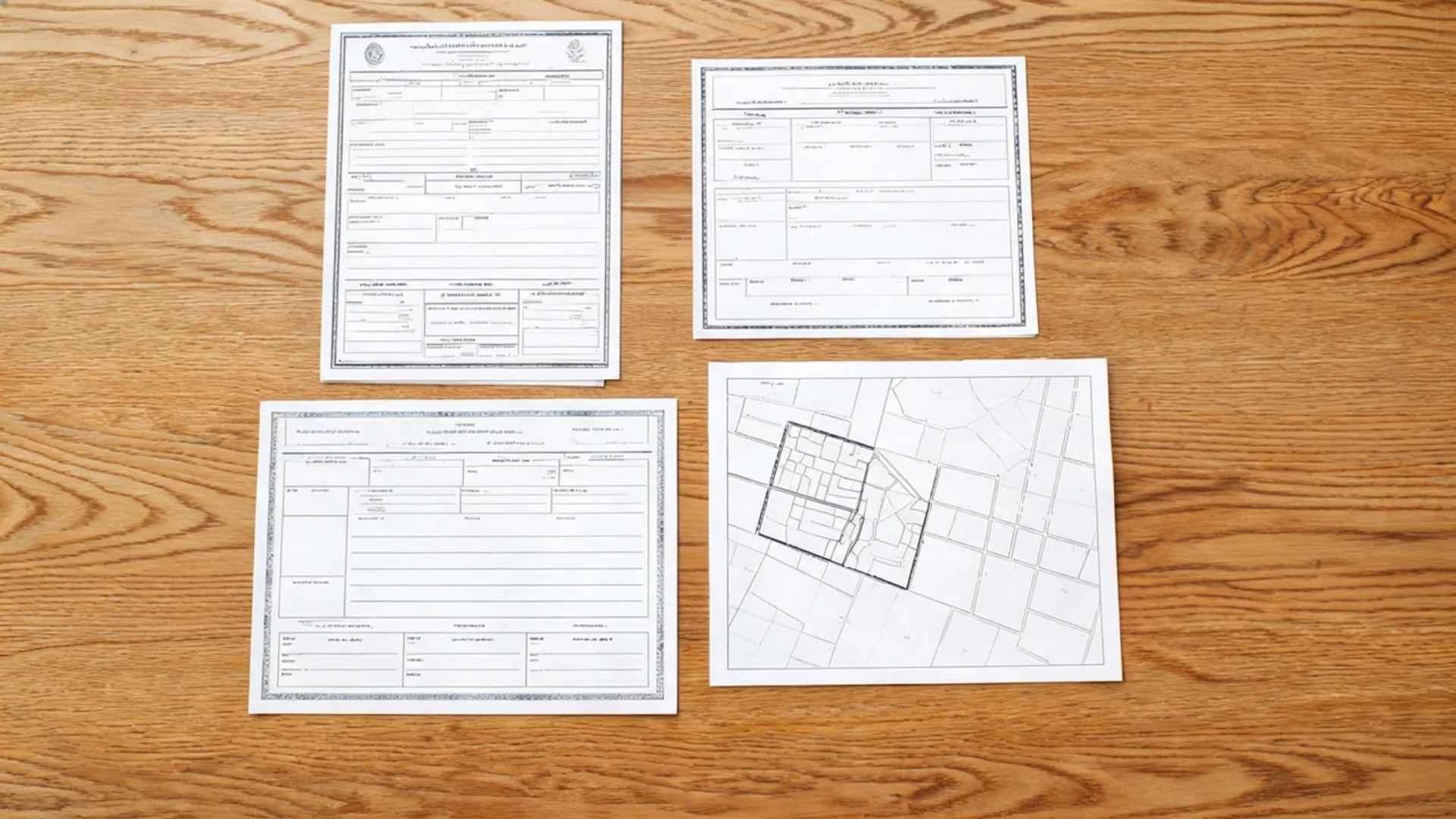
Getting this right means clearing three separate hurdles. State law, local zoning, and paperwork each work on their own. You need all three lined up before anything happens.
None of them automatically cover the others. You need all three lined up before anything happens.
Is Home Burial Legal in Your State?
Most states allow home burial. There’s no federal law stopping you.
States like Texas, Colorado, and Idaho tend to allow it with few restrictions. Other states lean on licensed funeral directors to handle more of the process.
Three states stand apart. California, Indiana, and Washington are commonly listed as states that prohibit or heavily restrict home burial. Some allow a family cemetery through a separate approval, and Washington’s rules have been changing, so check with your state health department.
If you’re in one of those three, your option is contacting your local zoning department. Setting up a formally dedicated family cemetery sometimes gets approved through a separate process.
Local Zoning, Acreage, and Setback Rules
Your state can say yes and your county can still say no. Zoning treats burial as a land use decision, similar to building a structure.
Some counties require a minimum lot size before approving a private cemetery. That minimum often falls somewhere between one and five acres.
Setback distances matter just as much. Your grave typically needs to sit a certain distance from:
- Property lines
- Wells
- Septic systems
That distance commonly runs between 25 and 100 feet, depending on your county. These rules protect groundwater and your neighbors’ land, not just yours.
If your property falls short of the local minimum, you may need a zoning variance. Call your planning office directly, because this information rarely shows up in a basic search.
Getting the Death Certificate and Burial-Transit Permit
Before burial, the death has to be officially registered. A physician or coroner completes the death certificate, and it goes to your state or county vital records office.
Most states give you a short window for this, often three to ten days. Miss it, and you can run into problems with estate settlement or insurance claims later.
Once the death is registered, you’ll need a burial or transit permit. This confirms the death was reported correctly and gives legal permission for burial at your chosen location.
Without this permit, a burial on your own land technically counts as unauthorized. That’s true even if you own every inch of it.
Filing the Land as a Private Cemetery
Nine states, including Louisiana and New York, require a licensed funeral director for at least part of this process. Most states let families handle it themselves.
Once a grave exists, most counties expect you to record it. This isn’t a formality you can skip.
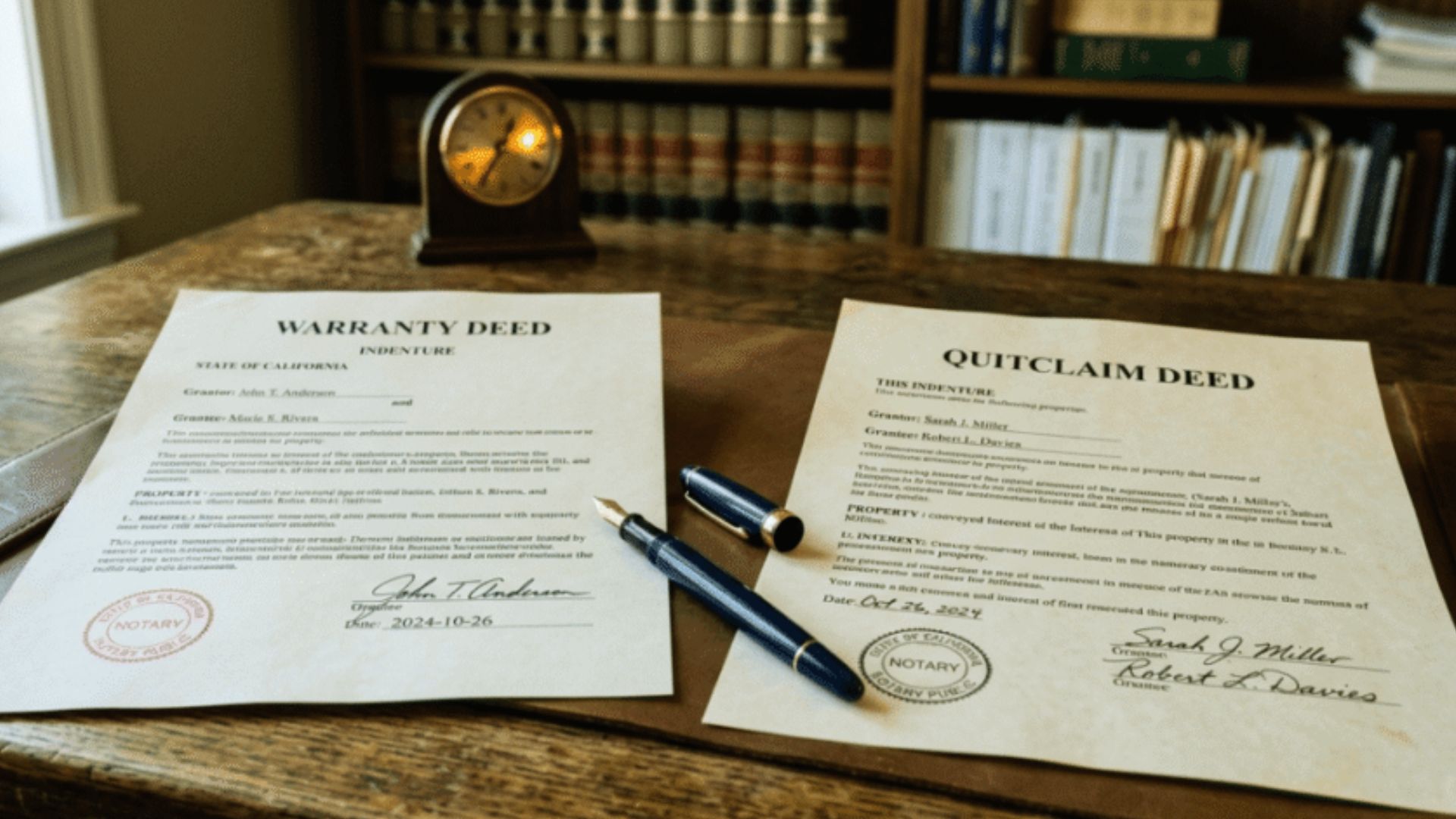
Recording is what legally turns your land into a private cemetery. That status follows the property, even after you sell it.
Many counties also want a survey first. A licensed surveyor plots the exact grave boundaries and produces a plat map showing how the burial site fits within your property lines — that map is what proves the grave sits where your paperwork says it does, and it’s usually what gets attached to the recording.
How Do These Requirements Connect to Create a Legal Home Burial?
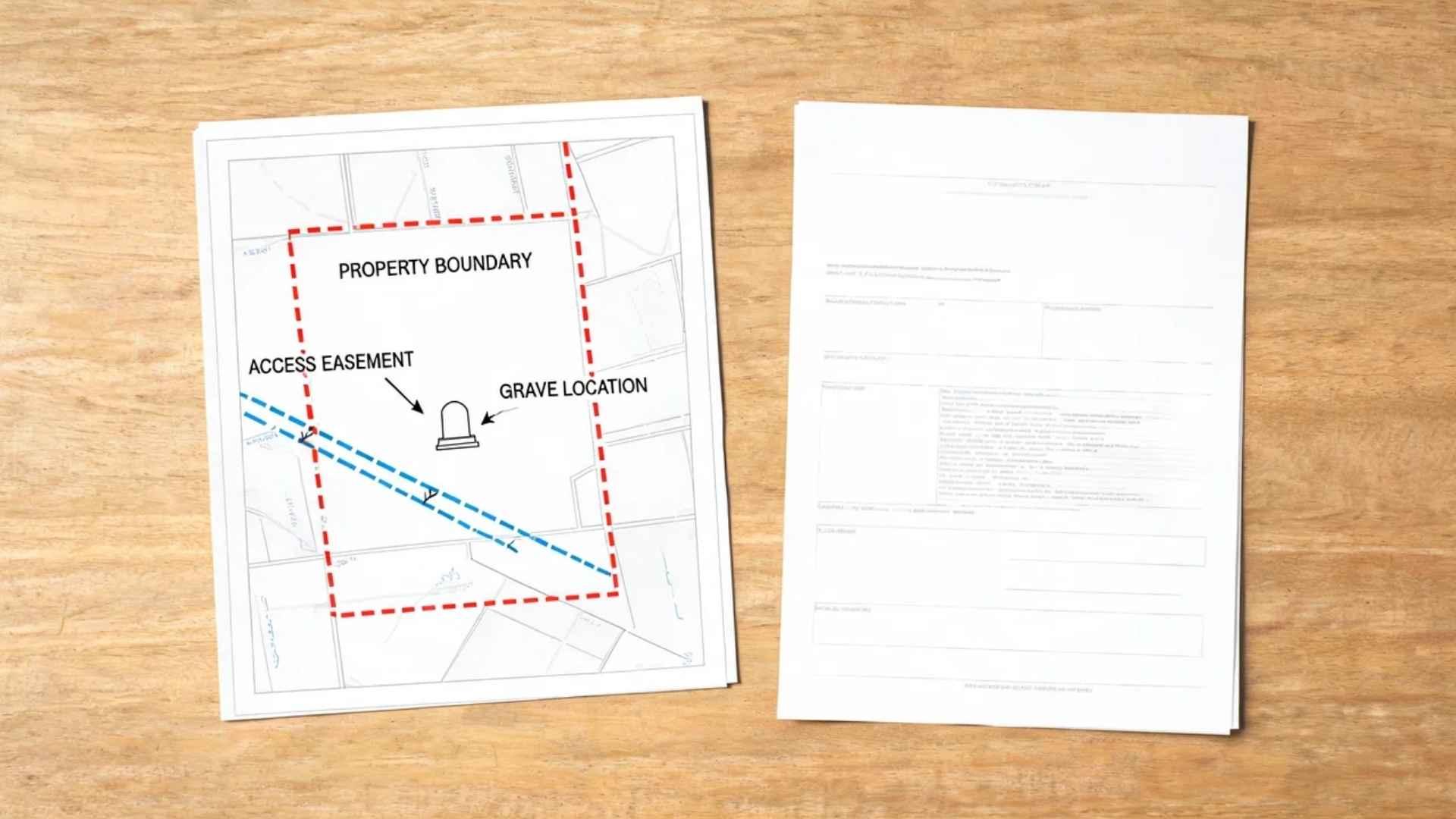
These approvals aren’t boxes you check once and forget. Completing them changes what your land legally is, going forward.
Once the burial and permit are done, and the site gets recorded, your property isn’t just a backyard anymore. Part of it is now a private cemetery on record with your county.
That matters for two reasons. First, it creates a disclosure obligation. If you sell the land later, buyers generally have a legal right to know a grave exists there.
Second, it protects access. In some places, family members keep a legal right to visit the grave, even after the land changes hands.
If the burial isn’t recorded, both of those protections get shaky. An unrecorded grave can still surface during a title search, but you lose the paperwork that makes your rights clear.
Some families record a formal easement on top of this. It guarantees visiting rights no matter who owns the land later. If you expect the burial to outlast your ownership, a real estate attorney can walk you through that option.
Where Do Home Burials Commonly Run Into Problems?
Most problems don’t come from the burial itself. They come from a step that got skipped or rushed.
Burying before your permit arrives is the most common mistake I’ve seen. It’s also the hardest one to fix after the fact, since the burial already happened.
Selling the property without recording the grave is the second issue. Even if a buyer’s title search misses it, you may still be legally required to disclose it.
Zoning catches people off guard too. A county can allow home burial on paper and still block you if your plot is too small.
One more mix-up trips people up: cremated remains follow lighter rules than a full casketed burial. Treating them the same way is how families end up out of compliance without realizing it.
Final Thoughts
Deciding whether to bury someone on your property involves more than choosing a meaningful location. It also means understanding how a burial could affect your land, future property sales, and family members who may want to visit the grave.
Although home burial is permitted in many parts of the United States, local restrictions can change what is possible on a particular property.
Confirm the applicable requirements before making arrangements, and keep all permits and records secure. Contact your local authorities to clarify the rules before proceeding.
Frequently Asked Questions
Do you have to pay extra property taxes if you bury someone on your land?
In most states, adding a burial doesn’t automatically raise your property taxes. Taxes are based on land classification, not burial use. Designating part of your property as a private cemetery can affect local assessments in some counties. Confirm with your tax assessor before burial, not after.
Does burying someone on your property legally turn it into a cemetery?
Yes. Once the burial, permit, and recording are complete, that plot is generally classified as a private or family cemetery. This status is tied to your deed. It typically carries forward through any future sale of the property.
Can you bury cremated remains on your property without these rules?
Cremated remains face far fewer restrictions than a full burial. Most state laws target bodies, not ashes. Local ordinances or HOA rules can still apply, so check first. But the permit and cemetery-designation process required for a body usually doesn’t apply here.
Is it legal to bury someone on your property without a permit?
No. Even in states that allow home burial, you need a death certificate and burial permit first. Burying without one is treated as unauthorized, regardless of land ownership. It can also create problems with estate or insurance paperwork later.