

You just found a serious problem with your property, maybe hidden water damage or a boundary line that's off by a few feet.
You're ready to fight for it. Then someone mentions the statute of limitations real estate law that might have already run out.
That single sentence can turn a strong case into a lost one overnight. The tricky part is that no single rule applies everywhere.
Every state draws its own line, and every type of claim, from fraud to construction defects, ticks on a different clock.
This guide walks through exactly how those deadlines work, what can pause or reset them, and how to check where you stand before your window closes for good.
What Is the Statute of Limitations in Real Estate?
A statute of limitations is a law that sets a fixed window to file a legal claim. Once that window closes, the other party can ask the court to dismiss your case permanently.
Courts set these deadlines to keep disputes moving while evidence and memories are still reliable.
The clock typically starts when the problem occurs or when you first find out about it.
A statute of repose works differently: it sets a hard end date, often counted from when construction finishes, that never pauses no matter when you discover the issue.
Which Real Estate Claims Have a Statute of Limitations?

Almost every type of real estate dispute has a filing deadline. Here is a breakdown of the most common ones.
Breach of Real Estate Contract Claims
When someone breaks a real estate contract, such as backing out of a sale or failing to deliver on agreed terms, the other party can sue for breach of contract.
The statute of limitations for this type of claim typically ranges from three to six years, depending on the state and whether the contract was written or verbal.
Written contracts generally receive longer deadlines than oral ones. Always check your state's specific rules.
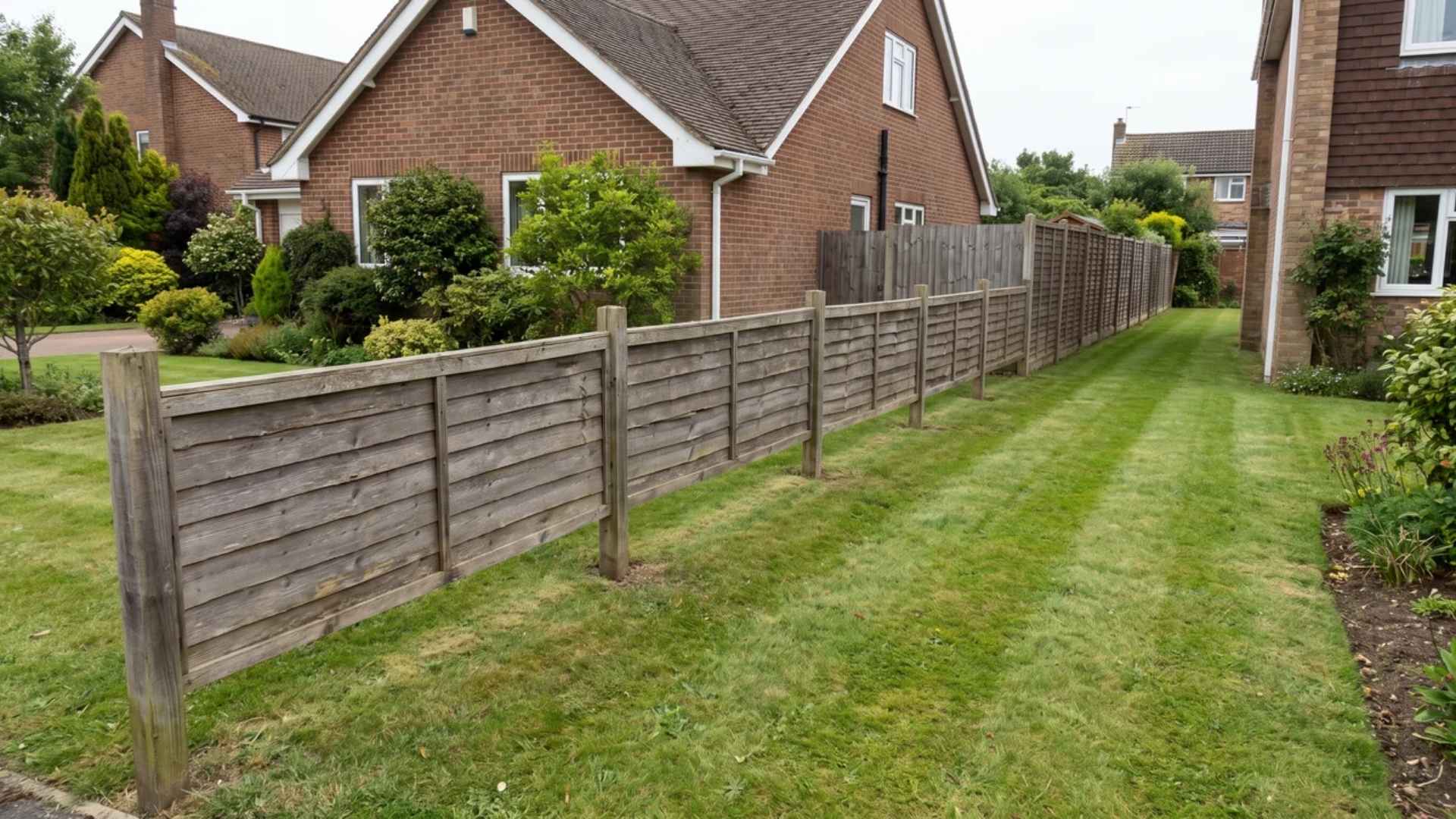
Property Boundary and Easement Disputes
Boundary disputes also intersect with adverse possession, which works in reverse of a statute of limitations: instead of blocking a lawsuit, it can transfer ownership to whoever openly used the land long enough.
Texas allows 5 years with a deed and paid taxes, 10 years for bare possession up to 160 acres, and 25 years in some cases even against the rightful owner.
California uses a 5-year rule based on continuous, exclusive use plus paid property taxes. Check this threshold before filing it can undercut your claim.
Fraud and Misrepresentation in Real Estate
If a seller, agent, or developer lied to you or hid important information to close a deal, you may have a fraud claim.
This includes things like concealing water damage, lying about zoning, or misrepresenting square footage.
Fraud claims often have shorter statutes of limitations, commonly two to four years, though a few states allow up to six.
Generally speaking, written contract claims run three to six years, fraud claims two to six years, and construction defects three to ten years.
Title Defects and Ownership Claims
Title defects include issues like unknown liens, competing ownership claims, forged documents, or errors in public records. These can surface years after a sale closes.
The statute of limitations for title claims varies. Some states give you five years from when the defect was discovered. Others set the clock by the type of claim you bring, so a forged-deed suit and a lien dispute can run on different deadlines.
Title insurance can protect you in many of these situations, but it does not eliminate the need to act within the legal time window.
Construction Defect Claims
If your home or investment property has structural problems, faulty wiring, plumbing failures, or other construction issues, you may have a claim against the builder or contractor.
Most states give property owners three to ten years to file construction defect claims.
As mentioned earlier, a statute of repose may also apply, creating an absolute cutoff date regardless of when the defect appears.
Landlord-Tenant Disputes
These disputes can include unpaid rent, security deposit issues, habitability problems, wrongful eviction, and lease violations. Both landlords and tenants can face statute of limitations deadlines.
Most landlord-tenant claims fall under a one to six year window, depending on the state and the type of claim involved.
Property Damage and Negligence Claims
If someone's negligence caused damage to your property, such as a contractor doing faulty work or a neighbor whose tree fell on your roof, you generally have a limited time to file a claim.
Negligence and property damage claims often carry a two to three year statute of limitations. Some states use a "date of injury" standard, while others use a discovery standard.
Suing a Real Estate Agent or Broker

Claims against a real estate agent or broker often run on a shorter, separate clock from the general contract or fraud deadlines already covered above.
In California, for example: claims against a broker for negligence or breach of fiduciary duty typically must be filed within 2 years, even though a standard fraud claim in the same state allows up to 3 to 4 years.
This shorter window usually applies to issues like failing to disclose known defects on the agent's side, misrepresenting terms during negotiation, or mishandling escrow funds.
Because licensing boards often have their own separate complaint deadlines on top of the civil statute of limitations, check both routes if you believe an agent's conduct caused you harm.
How Long You're Liable After Selling a Property
Selling a property doesn't immediately close the door on legal exposure.
If a buyer later discovers a defect you knew about and didn't disclose, most states apply the discovery rule here too, meaning your liability window opens when the buyer finds the problem, not when the sale closes.
This can stretch actual exposure to several years after closing, even if the deal itself is long settled.
Keeping thorough records of your disclosures, inspection reports, and any repairs made before selling is the clearest way to protect yourself if a claim surfaces later.
How Long Is the Statute of Limitations for Real Estate Cases?

California, New York, and Texas all have different timeframes for the same types of claims.
Generally speaking, written contract claims run three to six years, fraud claims two to four years, and construction defects three to ten years.
Claim Deadline Quick Reference:
| Claim Type | Typical Statute of Limitations |
| Written Contract | 3–6 years |
| Oral Contract | 2–3 years |
| Fraud | 2–4 years |
| Construction Defects | 3–10 years |
| Boundary Disputes | Varies by state |
| Property Damage | 2–3 years |
| Landlord-Tenant | 1–6 years |
The clock usually starts when the problem happened or when you found out about it.
In some cases, the deadline can be paused, known as tolling, if fraud was hidden or the injured party is a minor.
How Statutes of Limitations Differ by State
California, Texas, Florida, and New York all handle the same claims on completely different clocks.
| State | Written Contract | Fraud | Construction Defects | Notes |
| California | 4 years | 3 years | 10 years (repose) | Discovery rule applies broadly |
| Texas | 4 years | 4 years | 10 years (repose) | Notice requirements for some claims |
| Florida | 5 years | 4 years | 7 years (repose) | Repose shortened from 10 to 7 years in 2023 |
| New York | 6 years | 6 years | 3–6 years from completion | Clock generally runs from project completion, not discovery |
Laws change through legislation and court decisions. Always verify current deadlines with a qualified real estate attorney in your state.
Where These Deadlines Come From
Each deadline in the table comes from a specific state statute. Knowing the section helps you or your attorney confirm the current rule.
- California: Code of Civil Procedure § 337 (four years, written contracts), § 338(d) (three years, fraud), § 339 (two years, oral contracts and most claims against brokers), and § 337.15 (ten-year limit on latent construction defects).
- Texas: Civil Practice and Remedies Code § 16.004 (four years, fraud and breach of fiduciary duty), § 16.051 (four years, contract claims), and § 16.009 (ten-year construction repose).
- Florida: Florida Statutes § 95.11 (five years for written contracts, four years for fraud, and a construction repose period now set at seven years).
- New York: Civil Practice Law and Rules § 213 (six years for contract claims, and for fraud either six years from the fraud or two years from discovery, whichever is longer) and § 214 (three years for negligence and property damage).
Factors That Can Affect the Statute of Limitations
Several legal factors can change how the deadline is calculated in your case.
1. The Discovery Rule
The statute of limitations does not begin until you knew or reasonably should have known about the problem.
- The clock starts from the date you discovered the issue, not the transaction date
- Courts assess what a reasonable person would have noticed given the circumstances
- Visible warning signs you ignored may mean the clock started earlier than you think
2. Fraudulent Concealment
If the other party deliberately hid a problem to stop you from finding out, the deadline may be extended.
- This goes beyond simply not disclosing something
- The other party must have taken active steps to cover up the issue
- Proving fraudulent concealment can significantly extend your filing window
3. Minors and Legally Incapacitated Parties
The statute of limitations is often paused when the injured party cannot legally act on their own.
- The clock pauses until a minor turns 18
- It also pauses until a legally incapacitated person regains capacity
- Once legal ability is restored, the regular deadline begins running
4. Written vs. Oral Real Estate Agreements
Written contracts receive longer filing windows because courts view them as more reliable.
- Oral agreements often allow less time, as little as two years in California, though some states give four or more
- Written purchase agreements often allow four to six years, and a few states allow ten
- Always put real estate agreements in writing to protect your legal rights
5. Government-Owned Property and Special Rules
Disputes involving government entities follow stricter and faster rules than standard claims.
- Many states require a formal notice of claim within 60 to 180 days
- Missing this notice can bar your claim even if the statute of limitations has not expired
- Consult a real estate attorney immediately if your dispute involves any government property
Statute of Limitations vs. Other Real Estate Deadlines
Not every deadline in real estate is a statute of limitations. It helps to know the difference.
| Deadline Type | What It Is | What Happens If You Miss It | Key Difference from Statute of Limitations |
| Contract Deadline | An agreed-upon date written into your purchase agreement or lease | The other party can back out or seek damages | Set by private agreement, not state law |
| Closing Deadline | The date by which a real estate transaction must be completed | The contract may be voided or renegotiated | Applies during the transaction, not after a dispute arises |
| Warranty Period | A builder's guarantee covering workmanship, systems, and structural components for one to ten years | You lose the right to make a warranty claim with the builder | Covers defect reporting to the builder, not the right to file a lawsuit |
| Adverse Possession Requirement | A law allowing someone to claim land they have openly used for years without the owner's permission | The occupant may gain legal ownership of the land | It creates an ownership claim rather than blocking a lawsuit |
| Statute of Limitations | A state law setting a fixed deadline to file a legal claim | Your right to sue is permanently lost | It is the legal filing cutoff that overrides all other timelines |
What Should You Do Before the Deadline Expires?

The steps below all serve one goal: knowing your exact filing date before it passes.
- Gather every document tied to your case: contracts, inspection reports, photos, emails, and receipts.
- Review your purchase agreement, title documents, and property records to pin down key dates. Most people have less time left than they think.
- Avoid relying on verbal agreements going forward; oral contracts carry shorter deadlines and are harder to prove.
- Don't assume your state follows another state's rules.
- Check for exceptions that could extend your deadline, like the discovery rule or fraudulent concealment.
- Consult a real estate attorney early so they can pinpoint your exact deadline and outline your options.
- Consider negotiation or mediation, but remember: neither pauses the legal clock, so protect your filing rights while you explore settlement.
Final Takeaway
Every real estate deadline works differently, and the differences come down to three things: the type of claim, the state where the property sits, and the date the clock started.
Once you know how statute of limitations real estate rules apply to your situation, you can work from a clear timeline instead of a guess.
Gather your documents, confirm which rule governs your claim, and check whether the discovery rule or fraudulent concealment could move your start date.
A real estate attorney in your state can confirm the exact deadline and walk you through your options.
Frequently Asked Questions
How long are you liable for a house after you sell it?
There's no fixed universal cutoff. Liability generally runs from when the buyer discovers an undisclosed defect, not from the closing date. This can extend exposure several years past the sale in states that apply the discovery rule to seller disclosure claims.
What is the statute of limitations in Texas for real estate transactions?
Most breach of contract claims in Texas must be filed within 4 years of the breach. Construction defect claims carry a 10-year statute of repose, and adverse possession timelines range from 5 to 25 years depending on the circumstances.
What is the 5-year statute of limitations in California?
California's 5-year window most commonly applies to adverse possession claims involving continuous, exclusive use of land plus payment of property taxes. It's distinct from the state's 4-year contract deadline and 3-year fraud deadline.
How long do I have to sue a realtor?
Claims against a real estate agent or broker often run shorter than standard fraud or contract deadlines. In California, for example, negligence or breach of fiduciary duty claims against a broker typically must be filed within 2 years.