You thought it was a simple mix-up. A fence a few feet off, a tenant who went quiet on rent, a seller who forgot to mention the leak.
Then a letter shows up from a lawyer. Or a neighbor stops speaking to you altogether.
That's the moment most people first hear the term real estate disputes, and realize it applies to them. It's not a headline anymore. It's your property, your money, your name on the paperwork.
Some of these fights end with one calm conversation. Others end up costing thousands before anyone signs anything new.
The difference usually comes down to knowing which kind of dispute you're actually in, and what it takes to move it toward a close instead of a courtroom.
What Counts as a Real Estate Dispute?
A real estate dispute is any disagreement over property that ends up needing more than a conversation to fix. It usually involves ownership, use, boundaries, or the terms of a contract.
Buyers and sellers clash when a disclosure turns out wrong, or when a deal falls apart after signing. Landlords and tenants clash over rent, repairs, or lease terms nobody read closely enough.
Neighbors clash over fences, driveways, and who actually owns the strip of grass between two yards.
What ties all of this together is simple. Someone believes their legal rights are being ignored, and talking it out hasn't worked.
That's the line between an argument and a dispute. One fades. The other needs paperwork, and sometimes a professional, to settle.
Common Types of Real Estate Disputes

Most real estate disputes fall into a handful of buckets. Each starts differently, but all of them come down to a disagreement over who has the right to do what with a property:
1. Breach of Contract
A breach of contract dispute happens when one side doesn't hold up their end of a deal. Maybe a seller backs out after signing, or a buyer misses a financing deadline.
Sometimes it's smaller than that. A seller agrees to leave the appliances, then hauls them away before closing.
These disputes usually hinge on the exact wording of the purchase agreement. A deadline written into the contract carries weight. A promise made over the phone doesn't.
That's why contracts matter more than a handshake ever could. When one side stops honoring the terms, the paper is what decides who's right, not memory.
Nondisclosure is a close cousin. Disclosure rules vary by state, but sellers are generally expected to tell buyers about known defects, like a leak or a cracked foundation.
If a buyer finds a serious problem after closing that the seller knew about and never mentioned, the buyer may have a claim. The buyer usually has to show the seller knew, or reasonably should have known, and that a normal inspection wouldn't have caught it.
2. Boundary and Title Disputes
Boundary and title disputes happen when it's unclear who owns what. A fence built decades ago may not match the real property line.
Old surveys can be outdated or simply wrong. Title problems often trace back to unclear inheritance.
A property passes down through a family, but not every heir signs off. That leaves a cloud on the title.
Liens cause trouble too. An old contractor's bill or unpaid tax debt can attach to a property without the current owner realizing it.
These two problems feel similar, but they're different. A boundary dispute is about where the line sits, while a title dispute is about who legally owns the property.
Fixing them looks different, too. A boundary dispute usually starts with a new survey from a licensed surveyor, who measures the lot against the deed and marks the true line. Neighbors can then sign a written boundary agreement, or one side can move the fence.
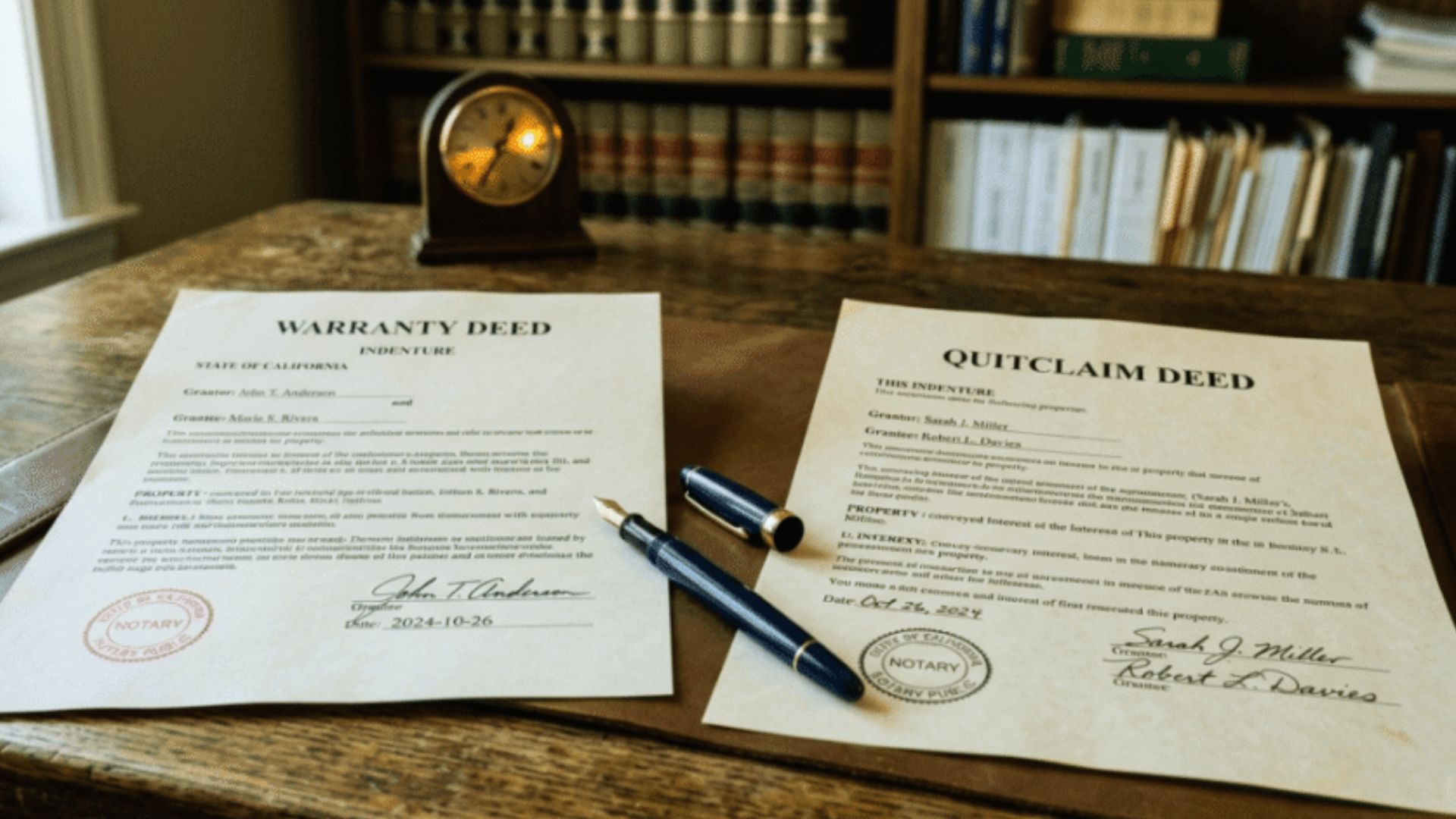
A title dispute starts with a title search, which traces ownership and turns up liens. Title insurance may cover some defects, depending on the policy. If two people still claim the same property, a court can settle it through a quiet title action, which decides who the rightful owner is.
3. Landlord-Tenant Conflicts
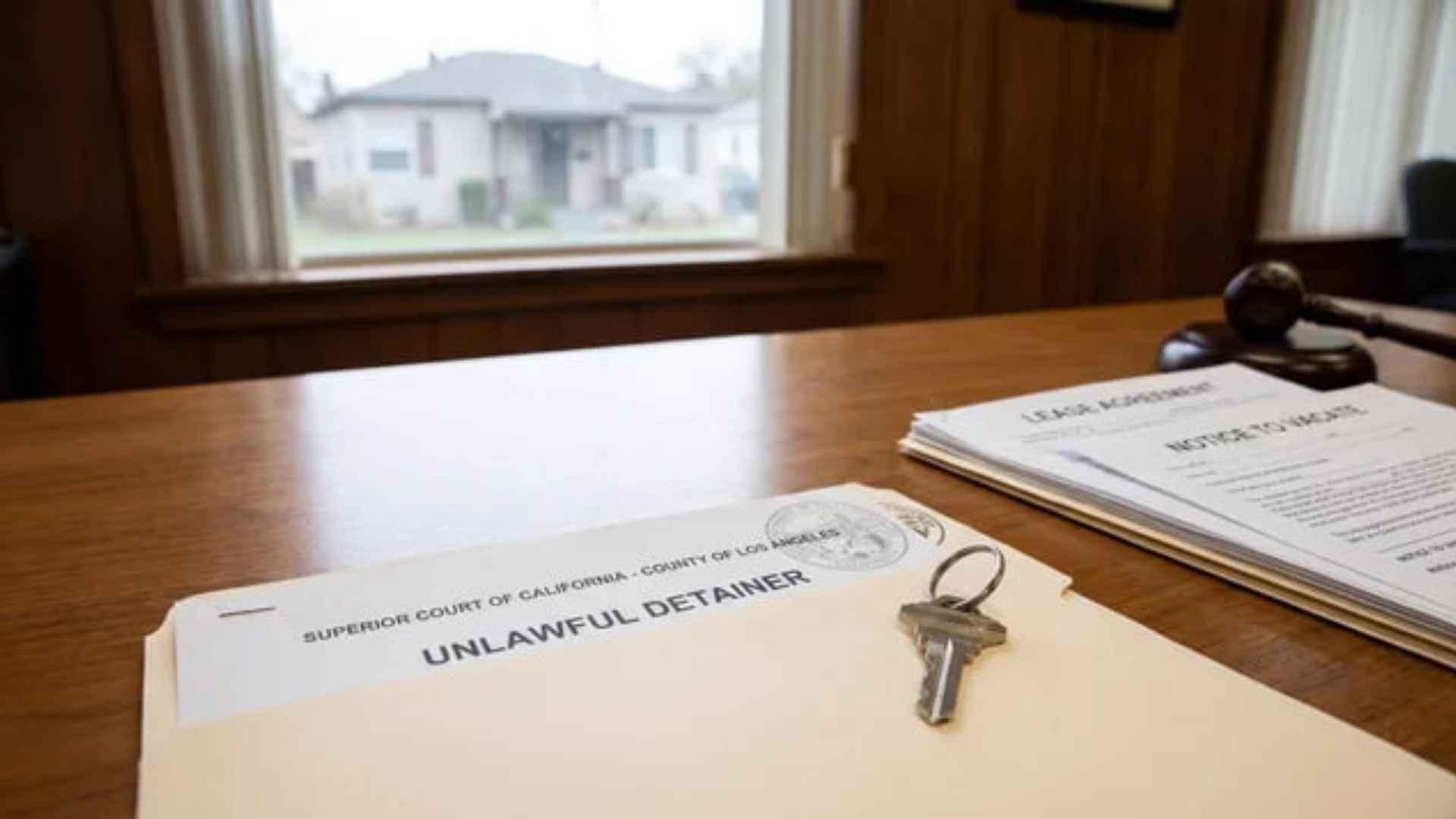
Landlord-tenant disputes cover everything from unpaid rent to unsafe living conditions. A landlord might refuse to fix a broken heater, or a tenant might stop paying rent without notice.
Security deposits cause plenty of friction too. A tenant moves out expecting their deposit back, and the landlord keeps it for damage that was already there.
These disputes are often governed by state-specific landlord-tenant law. It spells out notice periods, security deposit rules, and eviction procedures in detail.
That's what makes this category different from the others. The rules aren't just in the lease. They're written into state law, and both sides are expected to follow them.
4. Easement and Zoning Disagreements
Easement disputes happen when someone has a legal right to use part of your property, like a shared driveway, and the two sides disagree on how that right works.
Maybe one owner starts parking across it. Maybe a fence goes up where access used to be open.
Zoning disagreements come up when a property use doesn't match local rules, such as running a business out of a home in a residential zone.
Both problems share the same root cause. One party assumes a right that the other party never fully agreed to, and nobody checked the paperwork first.
5. Co-Ownership and HOA Disputes
Co-owners clash over selling, splitting rent, or who pays for repairs. When they can't agree, one owner can ask a court for a partition, which usually means the property is divided or sold and the proceeds are split.
Homeowners association disputes tend to involve dues, maintenance, or rule violations. The association's governing documents set the rules, so read them first, along with any dispute process they lay out.
How to Resolve a Real Estate Dispute

Most disputes don't need a courtroom to get solved. Here's the order that usually works, starting with the least expensive option:
1. Gather Your Documents
Before anything else, pull together contracts, deeds, photos, and any emails or texts that show what was agreed to.
Add surveys, inspection reports, and repair receipts if they apply, and jot down dates for anything that happened by phone or in person.
This step matters more than people expect. A dispute often comes down to who has proof, not who remembers things correctly.
Start here, even if you think it's obvious who's right.
2. Negotiate Directly
A lot of disputes get solved with one honest, calm conversation, especially when it happens early.
This works best before either side digs in. Once lawyers get involved, positions harden fast, and a simple fix gets harder to reach.
Say what you want plainly, and listen for what the other side actually needs. If you reach a deal, put it in writing and have both sides sign it, so the terms don't drift later.
3. Try Mediation or Arbitration
If direct talks stall, a neutral third party can help. Mediation is a guided conversation, usually one or two sessions.
Fees vary by mediator and location, and the cost is typically split between both sides. The mediator can't force a deal, so nothing is settled unless both sides agree to it.
Arbitration is closer to a private trial. An arbitrator hears both sides and makes a binding call.
It usually takes longer and costs more than mediation, but it is often quicker and less expensive than going to court.
4. Hire an Attorney
If the first three steps don't work, it's time to bring in a professional.
This is usually where things head when the other side won't negotiate, or when real money or a clouded title is on the line.
An attorney can file the right paperwork, push for a settlement, or take the case to court if it comes to that.
If the case reaches court, it generally has to be filed in the state where the property sits. Judges in property cases often award money damages. In a contract dispute, a court can sometimes order specific performance, which forces a party to do what the contract promised, like completing a sale. Many cases still settle before trial.
What It Costs to Resolve a Dispute (and Transfer a Deed)
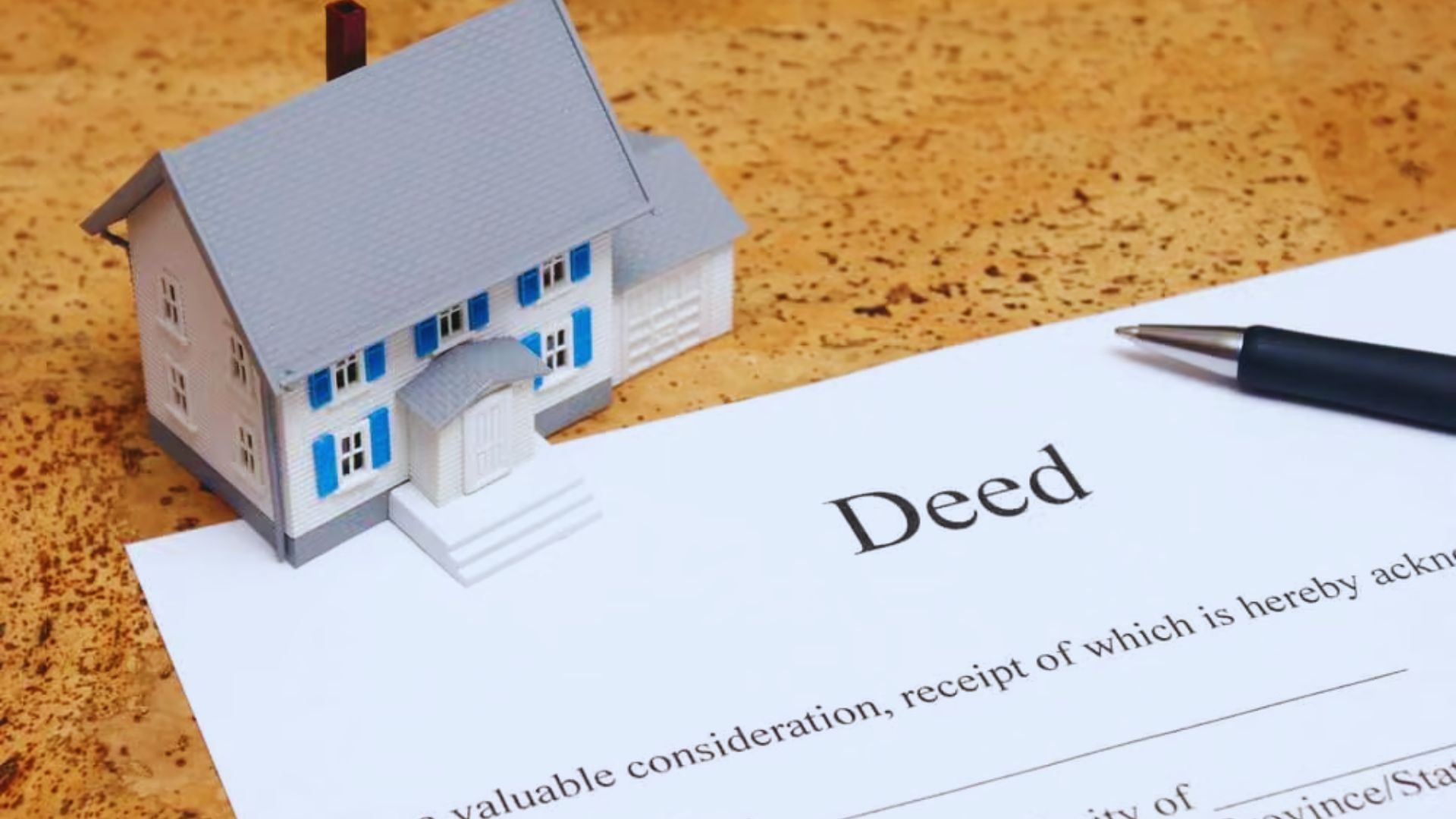
Costs climb the further a dispute goes, and transferring the deed is often the last one. Here’s the full picture, in that order, from the free options to the most expensive:
| Cost Item | Typical Range | Notes |
| Direct negotiation | Free | Just you and the other party |
| Mediation | A few hundred dollars per session, split both ways | Neutral mediator, no binding ruling |
| Attorney (hourly) | $200–$500/hour | Higher in bigger cities |
| Simple dispute, resolved | A few thousand dollars total | Covers most straightforward cases |
| Title fight or litigation | Can run into five figures | Multiple attorneys, possibly a court |
| Deed transfer – attorney fee | $150–$700 | Standard, uncontested transfers cost less |
| Deed transfer – recording fee | $20–$150 | Charged separately by the county |
| Deed transfer – complex title | Pushes toward the higher end | Multiple owners, liens, or unclear inheritance |
| Deed transfer – title search | Adds to base cost | Skipping it saves money now, risks a costly surprise later |
Note:Figures are rough estimates and vary widely by state, city and case complexity. Ask any attorney or mediator for a written fee quote before you commit.
When to Call a Real Estate Attorney
Not every disagreement needs a lawyer. But a few situations are a clear sign that self-negotiation won't cut it, and here's what to watch for:
- Deadlines keep getting missed:Once is a mistake. More than once usually means the other side isn't negotiating in good faith.
- You've received a formal demand letter: A demand letter is a legal document, and it deserves a legal response, not an email back.
- The title is clouded by liens: Unpaid contractor bills or old tax debt can attach to a property without you realizing it, and they don't clear on their own.
- Heirs are involved and something's unclear: If ownership passed through a family and not everyone signed off, that gap can stall a sale or a settlement indefinitely.
If you're seeing any of these signs, waiting usually makes things worse, not better. A real estate attorney can step in before a dispute turns into a lawsuit.
Final Takeaway
Real estate disputes rarely start big. They start with a missed deadline or a fence nobody double-checked.
What decides the outcome is what you do next. Document everything, negotiate first, and bring in an attorney only when you need one.
If you're mid-dispute right now, don't sign anything or pay a deed transfer fee until a lawyer looks things over.
Still not sure what you're dealing with? Scroll back through the types above, then reach out to a real estate attorney.
Frequently Asked Questions
How much does a lawyer charge to transfer a deed?
Fees vary by state and by how complicated the transfer is. A straightforward, uncontested transfer usually costs less, while transfers involving multiple owners, liens or a cloudy title cost more. Recording fees are separate and set by your county recorder, so check your county's published fee schedule and ask any attorney for a written quote first.
What is the 3-3-3 rule in real estate?
The 3-3-3 rule is an informal home-buying guideline, not a legal rule, and it is defined differently from source to source. Some versions focus on affordability, such as price relative to income and the down payment. Others focus on readiness, such as emergency savings and mortgage reserves. It comes up far more in home buying than in dispute resolution, so treat it as a rough checklist rather than a standard.
What evidence is needed for a property dispute?
Solid evidence usually includes the deed, any signed contracts, photos of the property, and written communication like emails or texts. Surveys and inspection reports matter too, especially for boundary disputes. The clearer your paper trail, the stronger your position.
Is it better to settle a real estate dispute or take it to litigation?
Settling is usually faster, cheaper, and less stressful than litigation. Most real estate attorneys treat court as a last resort, not a first move. Litigation makes more sense when the other side won't negotiate in good faith, or when the stakes are too high to compromise on.
Can you transfer a deed without a lawyer?
Often, yes, but the rules depend on your state and county. Deeds usually have to meet local formatting and recording requirements, so confirm them with your county recorder's office before you file. That said, a lawyer is worth the cost when the title is unclear or multiple owners are involved.